Gary Young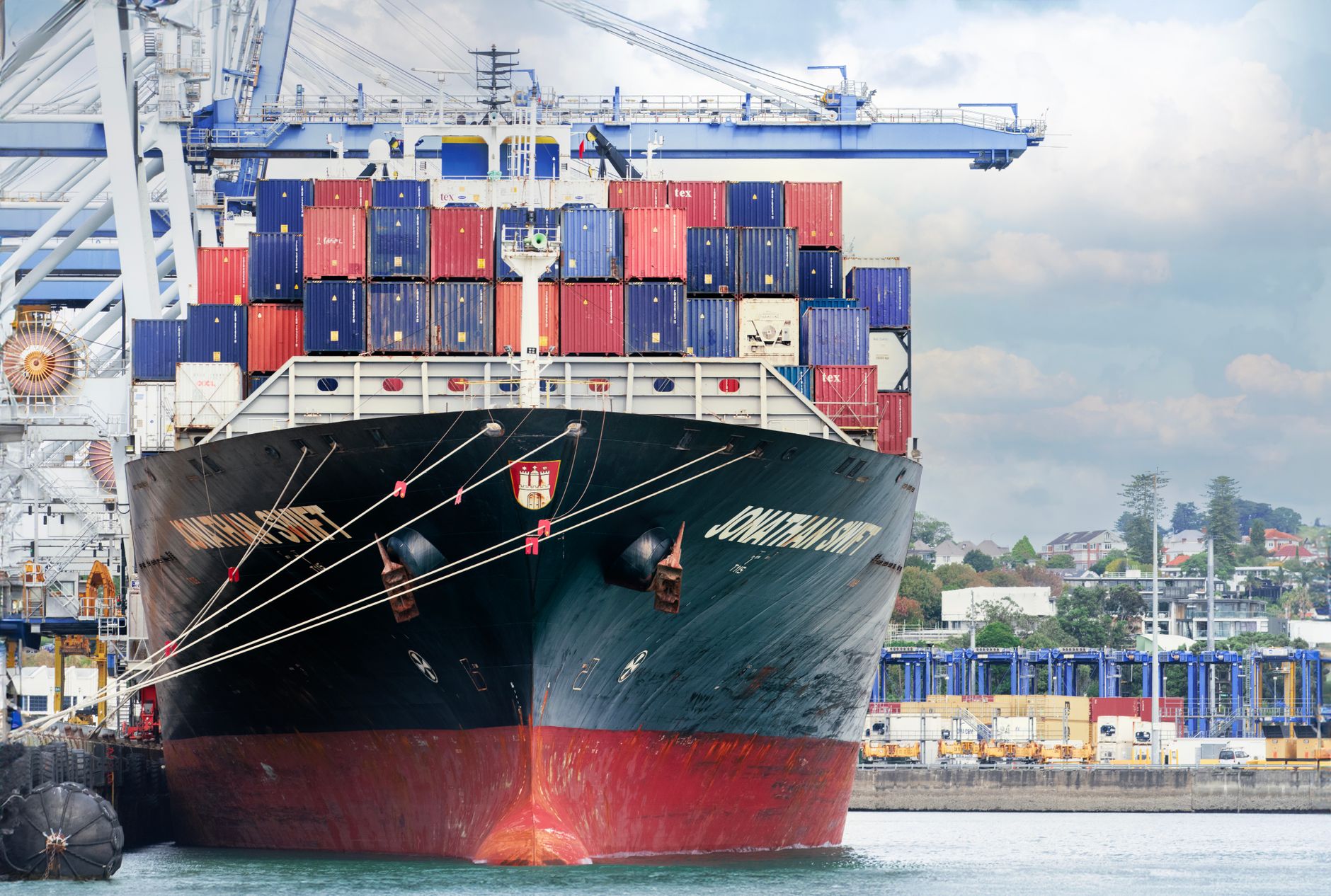
India New Zealand Free Trade Agreement is now in effect, bringing significant changes to trade relations between the two nations.
Overview of the Free Trade Agreement
The India New Zealand Free Trade Agreement (FTA) marks a significant milestone in the economic relationship between the two nations. Officially coming into effect on October 20, this agreement aims to enhance trade and investment opportunities, fostering closer ties between the countries.
Under the terms of the FTA, various sectors are set to benefit, including:
- Agriculture: Reduction in tariffs on a range of agricultural products, allowing for better market access.
- Manufacturing: Enhanced opportunities for Indian manufacturers to export their goods to New Zealand, promoting industrial collaboration.
- Services: Improved access for service providers, particularly in IT and education, bolstering the exchange of skills and expertise.
- Investment: Streamlined processes for foreign investment, encouraging businesses to explore opportunities in each other’s markets.
This agreement is expected to create jobs, boost economic growth, and provide consumers with a wider array of products at competitive prices. It reflects both countries’ commitment to strengthening bilateral relations and promoting free trade, setting a positive precedent for future collaborations.
Key Benefits for India and New Zealand
The India New Zealand Free Trade Agreement (FTA) is expected to bring significant advantages to both nations, enhancing economic ties and fostering growth. The following key benefits highlight the potential outcomes of this landmark agreement:
- Increased Trade Opportunities: The FTA is set to eliminate tariffs on a wide range of goods, allowing Indian exporters to access New Zealand’s markets more effectively and vice versa.
- Boost to Agricultural Exports: India stands to benefit from improved access to the New Zealand market for its agricultural products, including a variety of fruits and vegetables.
- Investment Growth: The agreement is likely to encourage bilateral investments, opening avenues for Indian companies to invest in New Zealand and attracting New Zealand businesses to India.
- Technological Exchange: The partnership presents opportunities for sharing expertise and technology, particularly in areas like renewable energy and agriculture, promoting sustainable growth.
- Job Creation: As trade expands, both countries can expect job creation in sectors that benefit from increased demand and investment.
Overall, the India New Zealand Free Trade Agreement represents a strategic move towards strengthening the economic relationship between the two countries, paving the way for mutual prosperity.
Impact on Local Businesses
The India New Zealand Free Trade Agreement is poised to bring significant changes to local businesses in both countries. With the agreement coming into effect on October 20, many enterprises are preparing to adapt to the new opportunities and challenges that will arise.
Local businesses can expect a range of impacts, including:
- Increased Market Access: The agreement will open up new avenues for exporters and importers, allowing them to enter previously untapped markets.
- Enhanced Competition: While the influx of goods from New Zealand may increase competition, it will also encourage domestic companies to innovate and improve their products.
- Cost Reductions: Tariff reductions on various goods will lead to lower costs for businesses, enabling them to offer more competitive pricing to consumers.
- Investment Opportunities: The agreement is likely to attract foreign investments, fostering growth and development in critical sectors.
However, it is essential for local businesses to strategically prepare for these changes to maximize the benefits of the India New Zealand Free Trade Agreement. Staying informed and adapting to the evolving market landscape will be crucial for long-term success.
Legal Implications of the Agreement
The India New Zealand Free Trade Agreement brings forth significant legal implications that stakeholders must navigate. The agreement is designed to enhance trade relations by reducing tariffs and eliminating trade barriers, thus fostering economic collaboration between the two nations.
One of the primary legal aspects involves the reformation of existing trade laws in both countries to align with the terms of the agreement. This necessitates a thorough review of current regulations to ensure compliance and to implement the necessary changes effectively.
Furthermore, the agreement introduces provisions for dispute resolution, providing a structured process for addressing any conflicts that may arise between businesses and governments. This is particularly crucial as both nations seek to protect their interests and maintain a fair trading environment.
- Intellectual Property Rights: The agreement strengthens protections for intellectual property, encouraging innovation and safeguarding creators.
- Customs Procedures: Simplified customs procedures are expected, reducing delays and enhancing trade efficiency.
- Investment Protections: Enhanced protections for investors will foster confidence in bilateral investments.
In conclusion, the legal landscape shaped by the India New Zealand Free Trade Agreement is poised to create a more robust framework for trade and investment, benefiting both countries significantly.
Future Trade Prospects
The implementation of the India New Zealand Free Trade Agreement heralds a new chapter in bilateral trade relations, promising enhanced economic collaboration between the two nations. As both countries work towards implementing the provisions of the agreement, future trade prospects appear increasingly optimistic.
One of the key areas poised for growth is agriculture, where New Zealand’s expertise in dairy and horticulture can complement India’s vast market. This synergy is expected to lead to increased exports and investments, fostering a more robust agricultural sector in both countries.
Additionally, the agreement is likely to boost sectors such as technology and education. With India being a global leader in IT services and New Zealand’s strong educational institutions, there are significant opportunities for collaboration in research and development.
Moreover, the easing of tariffs and trade barriers is anticipated to stimulate more small and medium-sized enterprises (SMEs) to engage in international trade. This shift towards a more open trading environment could empower local businesses to innovate and expand their reach.
In conclusion, the India New Zealand Free Trade Agreement not only sets the stage for immediate economic benefits but also lays a foundation for long-term partnerships that can reshape trade dynamics between the two countries.
Conclusion and Next Steps
In conclusion, the India New Zealand Free Trade Agreement marks a significant milestone in the economic relationships between the two nations. As both countries move forward, it is essential to focus on the practical implementation of the agreement to maximize its benefits. The collaboration will not only enhance trade but also foster stronger diplomatic ties.
To ensure the agreement’s success, several next steps should be prioritized:
- Awareness Campaigns: Both governments should launch initiatives to inform businesses and consumers about the opportunities presented by the India New Zealand Free Trade Agreement.
- Monitoring and Evaluation: Establishing mechanisms to assess the impact of the agreement on various sectors will be crucial for making necessary adjustments.
- Support for Local Industries: Providing resources and support for local businesses to adapt to the new trade environment will help them compete effectively in the international market.
- Continued Dialogue: Regular discussions between trade representatives from both countries can help address challenges and explore further opportunities for collaboration.
As the agreement comes into effect on October 20, stakeholders must remain proactive to ensure that the potential benefits are fully realized in the coming years.
Photo by Miguel Cuenca on Pexels