Gary Young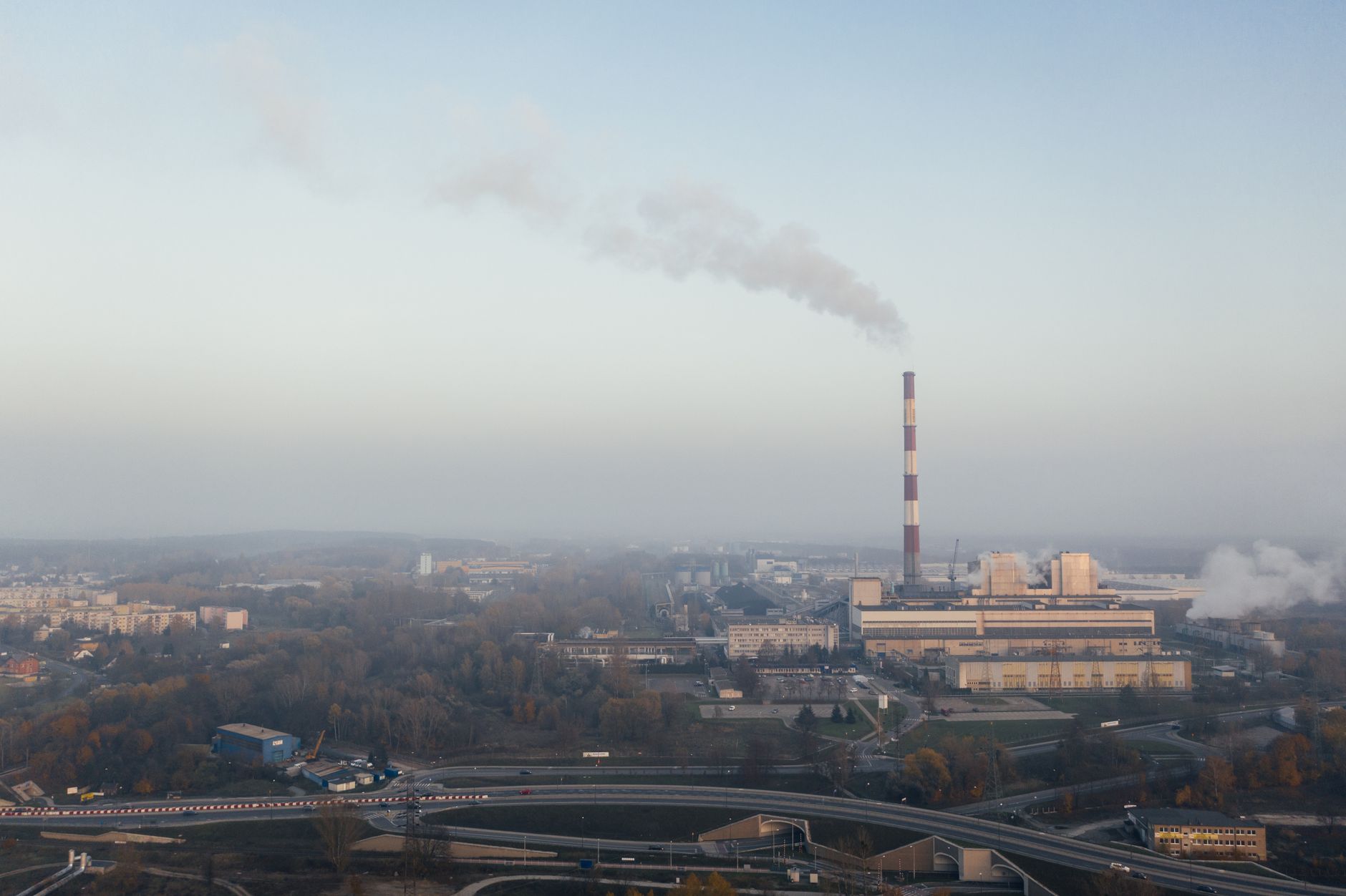
Greenhouse gas emissions rollback has sparked significant debate following the EPA’s recent decision to repeal regulations on power plants. This move has drawn reactions from various stakeholders, including environmental advocates and industry leaders.
Understanding the EPA’s Decision
The recent decision by the Environmental Protection Agency (EPA) to repeal regulations limiting greenhouse gas emissions from power plants has sparked a heated debate among environmentalists, policymakers, and industry leaders. This rollback is seen by some as a necessary step to alleviate the regulatory burden on energy producers, while others argue it undermines critical efforts to combat climate change.
Supporters of the rollback, including industry representatives, argue that:
- The previous regulations were overly restrictive and hindered economic growth.
- Reducing regulatory barriers can encourage investment in cleaner technologies.
- Flexibility in emissions standards allows states to tailor their energy policies to local needs.
Conversely, opponents caution that the greenhouse gas emissions rollback could lead to increased pollution and have detrimental effects on public health and the environment. They emphasize the need for strong federal regulations to ensure a sustainable future.
As the nation grapples with the implications of this decision, the conversation surrounding climate policy remains more critical than ever.
Impact on Power Plant Regulations
The recent decision by the Environmental Protection Agency (EPA) to repeal regulations limiting greenhouse gas emissions from power plants has sparked significant debate among environmentalists, policymakers, and industry leaders. Critics argue that this greenhouse gas emissions rollback could have severe implications for air quality and public health.
Supporters of the rollback, including some in the energy sector, claim that easing restrictions will foster economic growth and job creation. They argue that removing these regulations could lead to increased energy production and lower electricity costs for consumers. However, many experts warn that the long-term effects may outweigh short-term economic benefits.
Key concerns include:
- Increased Emissions: A rise in emissions could exacerbate climate change and its associated risks.
- Public Health: Higher pollution levels may lead to worsening respiratory issues and other health problems.
- Environmental Justice: Vulnerable communities often bear the brunt of increased pollution.
As the debate continues, the future of power plant regulations remains uncertain.
Reactions from Environmental Groups
Environmental groups have expressed strong disapproval of the recent greenhouse gas emissions rollback enacted by the EPA. Critics argue that this decision undermines progress made in addressing climate change and protecting public health. Various organizations have released statements emphasizing the potential consequences of relaxing regulations.
- The Sierra Club stated that the rollback “sends the wrong message” and jeopardizes efforts to transition to clean energy.
- Greenpeace called the decision “an affront to science and the communities most affected by pollution,” urging the public to hold the EPA accountable.
- The Natural Resources Defense Council (NRDC) warned that weakening emissions standards could lead to increased health risks, particularly for vulnerable populations.
- Earthjustice emphasized that the rollback contradicts the urgent need for action against climate change, stating, “This is a step backward for our planet.”
As the debate continues, environmental advocates are mobilizing to challenge the rollback and support initiatives aimed at reducing greenhouse gas emissions.
Future of Greenhouse Gas Policies
The future of greenhouse gas policies remains uncertain following the recent rollback of regulations by the EPA. As climate change continues to pose significant threats, the implications of this decision could be far-reaching.
Critics argue that the greenhouse gas emissions rollback undermines previous efforts to reduce pollutants and combat climate change. They emphasize that without stringent regulations, the United States may fall behind in meeting international climate commitments.
Supporters of the rollback believe that deregulation could stimulate economic growth and reduce energy costs for consumers. They contend that market-driven solutions may be more effective in addressing environmental issues than government mandates.
Moving forward, the debate surrounding greenhouse gas policies is likely to intensify. Key areas of focus will include:
- The potential for new legislation aimed at reversing the rollback
- The role of state-level initiatives in regulating emissions
- The impact of technological advancements on future emissions reduction
Ultimately, the balance between environmental protection and economic interests will shape the trajectory of greenhouse gas policies in the coming years.
The debate surrounding the greenhouse gas emissions rollback has intensified, with various stakeholders weighing in on its potential environmental impact. Critics argue that the greenhouse gas emissions rollback could hinder progress toward climate goals, while proponents believe it may stimulate economic growth.
Photo by Marcin Jozwiak on Pexels
Read the original
Related reading
EC selection law: Right decision or wrong path? · BCI powers over law colleges: A Clear Examination of Authority · India New Zealand Free Trade Agreement: A Clear Win