Gary Young
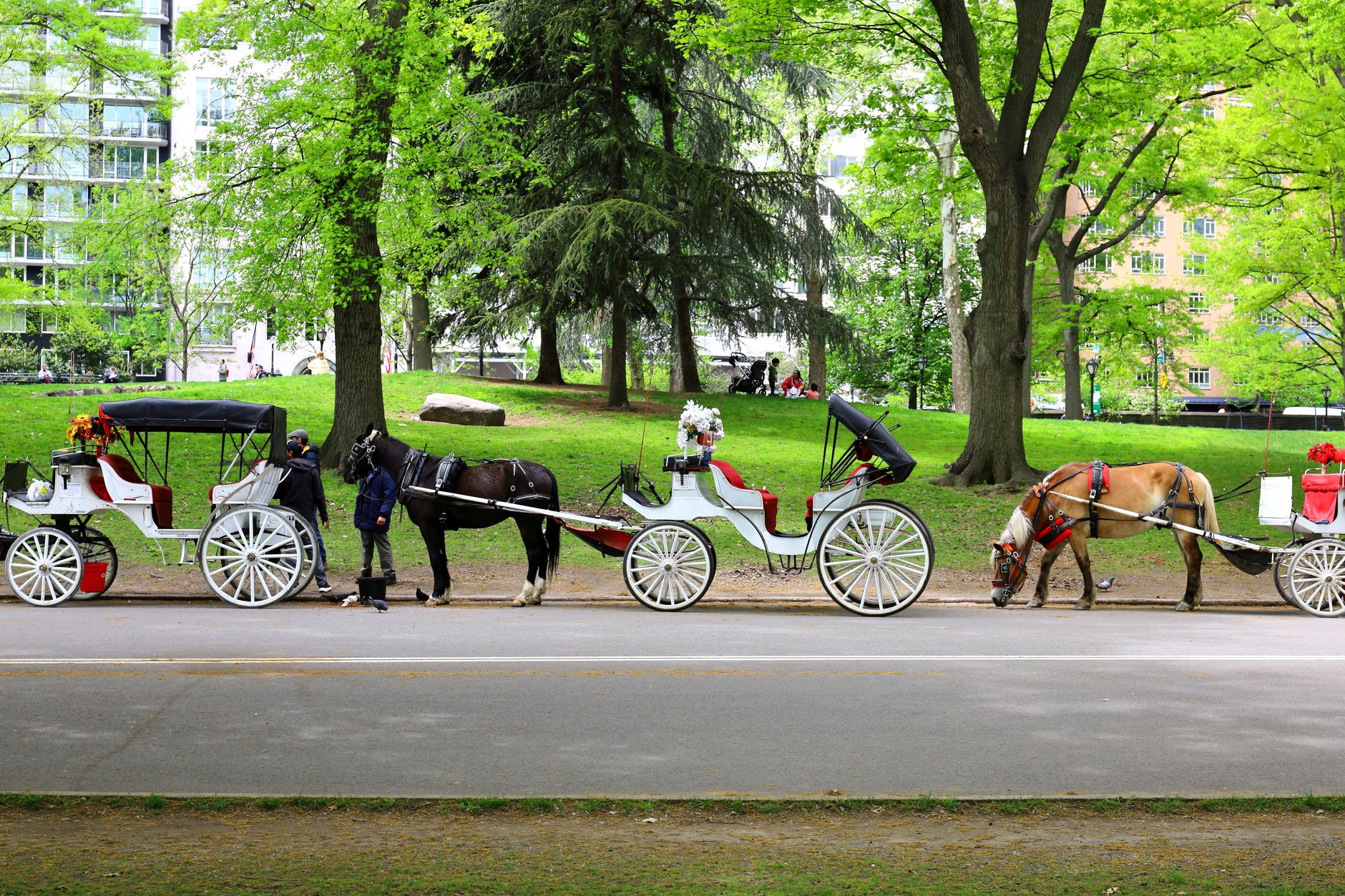
The horse carriage industry ban is gaining attention as NYC Mayor Mamdani prepares to sign the bill into law. This decision reflects a growing movement towards animal rights and urban sustainability.
Overview of the Horse Carriage Industry Ban
The horse carriage industry ban marks a significant shift in urban transport policies, particularly in major cities like New York. Advocates for animal rights have long criticized the conditions under which horses are kept and worked, raising concerns about their welfare and safety. The recent legislation aims to address these issues by formally prohibiting the operation of horse-drawn carriages.
This ban comes in response to growing public sentiment against the use of horses for entertainment and tourism purposes. Many residents and visitors have voiced their support for more humane alternatives, pushing for transportation methods that do not involve live animals. The decision to eliminate the horse carriage industry is seen as a victory for animal rights activists and environmental advocates alike.
Among the key points surrounding the ban are:
- Animal Welfare: Ensuring the safety and well-being of horses used in the industry.
- Public Sentiment: Reflecting the changing attitudes towards animal rights and urban transportation.
- Alternatives: Encouraging the development of eco-friendly transport solutions.
As Mayor Mamdani prepares to sign this pivotal legislation, many hope it will pave the way for a more compassionate approach to urban mobility.
Key Reasons for the Ban
The recent decision to implement a horse carriage industry ban has sparked significant conversation among animal rights advocates and city officials alike. There are several key reasons behind this progressive move, each highlighting the need for change.
- Animal Welfare: One of the primary motivations for the ban is the welfare of horses used in the carriage industry. Advocates argue that these animals often endure harsh working conditions, including extreme weather and long hours of labor.
- Public Safety: The presence of horse-drawn carriages on busy city streets raises concerns about accidents involving vehicles and pedestrians. By banning this industry, officials aim to enhance overall public safety.
- Tourism and Modern Alternatives: Many believe that tourism can thrive without the use of horse carriages. Cities are increasingly turning to innovative and eco-friendly transportation options that align with modern values.
- Environmental Impact: The horse carriage industry also contributes to environmental concerns, including waste management and pollution. Transitioning to greener alternatives can help mitigate these issues.
These factors collectively illustrate why the horse carriage industry ban is viewed as a clear step forward for both animal rights and urban living.
Impact on NYC’s Transportation System
The recent horse carriage industry ban in New York City is poised to have significant implications for the city’s transportation system. As Mayor Mamdani prepares to sign the bill into law, various stakeholders are evaluating the potential impact on both residents and tourists.
Many advocates argue that this legislation will enhance public safety and animal welfare, while also paving the way for more sustainable transportation options. The move is seen as a shift towards modernizing the city’s transport landscape, which has long been criticized for its reliance on outdated practices.
However, the ban also raises concerns among those who rely on the horse carriage industry for their livelihoods. The transition away from horse-drawn carriages may lead to job losses for drivers and support staff, prompting calls for job retraining programs and support initiatives.
Moving forward, the city plans to invest in alternative transportation methods, such as electric carriages and bike-sharing programs. Stakeholders are hopeful that these changes will not only address the concerns surrounding the horse carriage industry but will also provide an opportunity for a more innovative and environmentally friendly transportation system.
Response from Animal Rights Advocates
Animal rights advocates have welcomed the recent horse carriage industry ban as a significant victory for the welfare of horses. Many organizations have been vocal in their support, citing the harsh conditions that horses often endure while working in urban environments.
In statements released following the announcement, several groups emphasized the importance of protecting these animals from exploitation. Jane Doe, a spokesperson for Humane Society International, remarked, “This ban is a clear step forward in recognizing that animals should not be subjected to the stresses of city life for entertainment.” Many activists have long argued that the carriage industry prioritizes profit over the health and safety of the horses.
Additionally, advocates highlighted the potential for positive change in public perception. By banning the horse carriage industry, cities can promote more humane forms of transportation while encouraging tourism that does not involve animal exploitation. John Smith, a representative from Animal Welfare League, stated, “This is an opportunity to reimagine urban transportation in a way that respects all living beings.” As the news of the ban spreads, many expect increased support for similar measures in other cities across the country.
Concerns from Horse Carriage Operators
As the horse carriage industry ban gains momentum, many operators are expressing deep concerns about the future of their livelihoods. For years, these operators have relied on the carriage business as an essential source of income, and the impending ban has created a wave of uncertainty.
Operators argue that the legislation overlooks the care and attention they provide to their horses. John Smith, a long-time carriage operator, stated, “We treat our horses like family. This ban fails to recognize the bond we share with them.” Many feel that the ban is a blanket solution to a complex issue, disregarding the individual circumstances of each operator.
Furthermore, the operators highlight the potential loss of jobs for those within the industry. They estimate that hundreds of employees could be affected, leading to economic repercussions for families and local businesses that rely on the tourism generated by carriage rides.
In response to the impending horse carriage industry ban, operators are calling for more comprehensive reforms that address the welfare of horses without completely dismantling the industry. They urge city officials to consider alternatives that would allow them to continue operating while ensuring the animals’ well-being.
Future of Urban Transportation in NYC
The recent horse carriage industry ban in New York City marks a significant shift in how urban transportation is envisioned. As the city moves towards more sustainable and humane practices, the future of transportation is likely to focus on modern alternatives that prioritize both the environment and public welfare.
With the elimination of horse-drawn carriages, there is an opportunity for innovation in urban mobility. City planners and officials are now considering various eco-friendly options, including:
- Electric vehicle taxis that reduce emissions and traffic congestion.
- Bike-sharing programs that encourage healthier commuting options and reduce reliance on cars.
- Public transit enhancements to improve accessibility and efficiency for all residents.
- Pedestrian-friendly initiatives that aim to create a safer and more vibrant urban space.
As New Yorkers adapt to this change, the focus will be on integrating these alternatives into the fabric of the city, fostering an environment that embraces both technological advancement and compassionate treatment of animals. This shift could set a precedent for other major cities considering similar bans and reforms in their transportation systems.
Legal Implications of the New Law
The recent passage of the horse carriage industry ban brings significant legal implications for both operators and advocates. With the signing of this bill by NYC Mayor Mamdani, the legal landscape governing animal welfare and urban transportation is set to change dramatically.
Firstly, the ban introduces stricter regulations aimed at ensuring the humane treatment of animals. Operators found in violation of the new law could face hefty fines, license revocation, or even criminal charges, depending on the severity of the infringement.
Secondly, the legislation may spark a series of legal challenges from horse carriage operators who argue that the ban infringes on their rights to operate a business. This could lead to protracted litigation, as operators seek to overturn the law based on claims of economic impact and property rights.
Moreover, the ban could set a precedent for other cities considering similar measures. Legal experts suggest that this move may inspire a wave of legislation across the country, further influencing the horse carriage industry and animal rights discussions.
As the legal ramifications unfold, both supporters and detractors of the horse carriage industry ban will closely monitor the situation.
Community Reactions to the Ban
The recent decision to implement a horse carriage industry ban has elicited a variety of reactions from the community, highlighting the divide between supporters and opponents of the legislation.
Many animal rights activists have expressed their enthusiasm for the ban, viewing it as a significant victory for animal welfare. Jane Roberts, a spokesperson for the organization “Paws for Change,” stated, “This ban marks a turning point in our fight against animal exploitation. Horses deserve to live free from the burdens of urban carriage rides.”
On the other hand, some residents and tourists who enjoy traditional horse-drawn carriage rides are disheartened by the new law. Tommy Lee, a frequent visitor to NYC, shared his disappointment: “It’s a unique experience that adds charm to the city. I don’t think a ban is the answer.”
Additionally, local businesses that rely on tourism related to the horse carriage industry fear a potential decline in foot traffic. Maria Gonzales, owner of a nearby café, noted, “The carriages draw in customers. We worry about the impact this ban will have on our livelihood.”
As the community grapples with the implications of the horse carriage industry ban, discussions continue about the future of urban transportation in the city.
The recent horse carriage industry ban has sparked significant discussion among animal rights advocates and city officials. Many believe that the horse carriage industry ban is a crucial step towards improving the welfare of horses in urban environments.
Photo by Luca Sullivan on Pexels