Gary Young
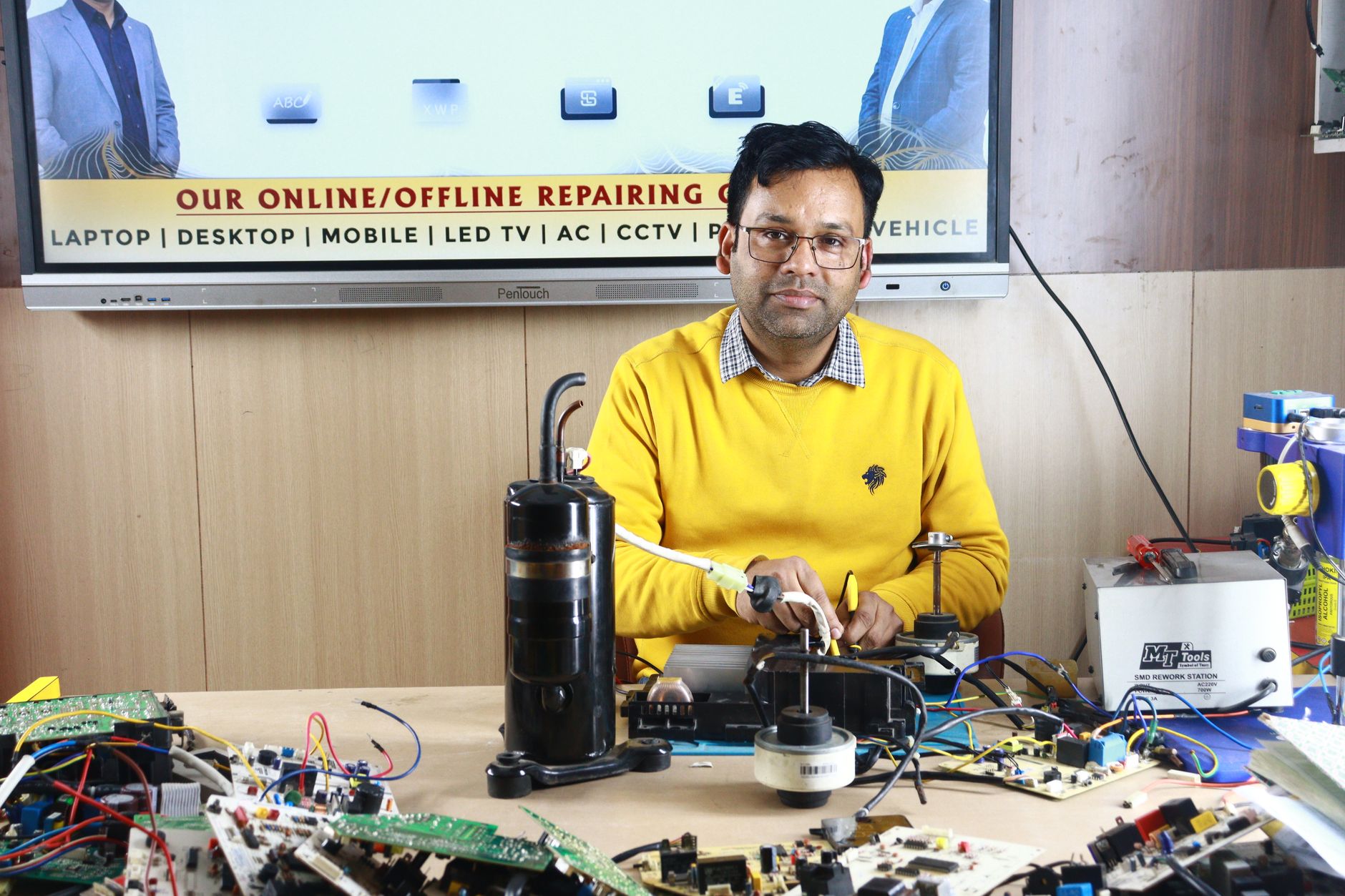
R-410A AC repairs are becoming increasingly important due to recent EPA rule changes. Homeowners must understand how these regulations affect their air conditioning systems and what options they have.
Understanding the EPA Rule Change
The recent changes implemented by the Environmental Protection Agency (EPA) have significant implications for R-410A AC repairs. As part of efforts to mitigate environmental impact, the EPA has introduced stricter regulations on refrigerants, including R-410A, which has been widely used in residential and commercial air conditioning systems.
These rules are designed to reduce the overall emissions of greenhouse gases and promote the use of more eco-friendly alternatives. As a result, HVAC professionals must stay updated on the latest guidelines to ensure compliance during repairs and maintenance.
Homeowners may find that their existing systems require modifications or replacements as the industry shifts toward compliant refrigerants. The following points highlight key aspects of the rule change:
- Increased regulations: Stricter limits on the use of R-410A.
- Alternative options: Encouragement to transition to low-GWP refrigerants.
- Professional training: Technicians need to be well-versed in new rules for effective R-410A AC repairs.
Impact of R-410A on HVAC Systems
The transition to R-410A refrigerant has significantly impacted HVAC systems, leading to a shift in repair and maintenance practices. This refrigerant, known for its efficiency and lower environmental impact compared to its predecessor, R-22, has become the standard in many modern air conditioning units.
However, the use of R-410A also brings unique challenges:
- Higher Pressure Levels: R-410A operates at higher pressures, requiring specialized tools and training for effective repairs.
- Compatibility Issues: Older systems designed for R-22 may not be compatible with R-410A, complicating repair efforts.
- Leak Detection: Detecting leaks in R-410A systems is crucial, as even minor leaks can lead to significant efficiency losses.
As HVAC professionals adapt to these changes, understanding the nuances of R-410A AC repairs is essential for maintaining optimal performance and longevity of air conditioning systems.
R-410A AC Repairs: What You Need to Know
When it comes to R-410A AC repairs, homeowners should be informed about the latest developments and best practices in maintaining their HVAC systems. Understanding the unique characteristics of R-410A refrigerant is crucial, as it has different operating pressures compared to older refrigerants.
Here are some key points to consider:
- Regular Maintenance: Schedule annual inspections to ensure your system is running efficiently. This can prevent costly repairs down the line.
- Leak Detection: With the phase-out of R-410A on the horizon, it’s vital to identify and fix any leaks promptly to maintain system performance.
- Qualified Technicians: Always hire certified professionals who are experienced with R-410A AC repairs to ensure compliance with EPA regulations.
- Replacement Options: Be aware of alternative refrigerants that may be suitable for your system as R-410A becomes less available.
By staying informed and proactive, homeowners can navigate the challenges associated with R-410A AC repairs effectively.
Best Practices for AC Maintenance
To ensure the longevity and efficiency of your air conditioning system, it is essential to follow best practices for maintenance, particularly when dealing with R-410A AC repairs. Regular upkeep can prevent costly breakdowns and extend the life of your unit. Here are some key practices to consider:
- Regular Filter Changes: Replace or clean filters every month during peak usage. This improves airflow and efficiency.
- Check Refrigerant Levels: Ensure that R-410A levels are optimal; low levels can indicate leaks and require immediate attention.
- Inspect Ductwork: Look for any signs of damage or disconnection that can lead to energy loss.
- Schedule Professional Inspections: Annual check-ups by a certified technician can catch issues early, especially before peak seasons.
- Keep Outdoor Units Clear: Maintain a clear area around the outdoor unit to ensure proper airflow and function.
By adhering to these practices, homeowners can minimize the need for R-410A AC repairs and enjoy a more efficient cooling system.
Legal Implications of AC Repairs
The legal implications surrounding R-410A AC repairs have become increasingly significant since the recent EPA rule changes. These regulations not only affect the use of R-410A refrigerant but also impose stricter guidelines on how HVAC professionals conduct repairs and maintenance.
Technicians must be certified under the EPA guidelines to handle R-410A, ensuring that they follow proper protocols to minimize the risk of refrigerant leaks. Non-compliance can result in hefty fines and legal repercussions, making it vital for both homeowners and contractors to stay informed.
Additionally, there are environmental considerations to keep in mind. The EPA’s focus on reducing greenhouse gas emissions means that improper disposal of R-410A can lead to serious legal consequences. Therefore, it is essential for consumers to hire certified professionals for R-410A AC repairs to ensure compliance with all applicable laws.
By understanding these legal implications, homeowners can make informed decisions when it comes to maintaining their air conditioning systems.
Future of Refrigerants in HVAC
The future of refrigerants in the HVAC industry is evolving as environmental concerns continue to shape regulations and technology. With the recent changes to EPA rules, the transition from R-410A has become a focal point for many HVAC professionals. While R-410A AC repairs are still prevalent, the industry is being urged to consider more eco-friendly alternatives.
Many manufacturers are now investing in research and development of low-GWP (Global Warming Potential) refrigerants. Hydrofluoroolefins (HFOs) and natural refrigerants, such as ammonia and carbon dioxide, are gaining traction as viable replacements for R-410A. These alternatives promise to reduce the environmental impact while maintaining efficiency in cooling systems.
As the HVAC landscape changes, technicians must stay updated on these advancements. Education and training on new refrigerants will be essential to ensure effective R-410A AC repairs while preparing for a future with greener options. The industry’s commitment to sustainability will ultimately shape consumer choices and regulatory compliance.
Photo by Multitech Institute on Pexels
Read the original
Investment Rule Changes: What’s the Best Proven Strategy? · Is Fertiliser Black Marketing the Worst Crime in Agriculture? · Screen New Laws: The Right Way to Improve India’s Legal System