Gary Young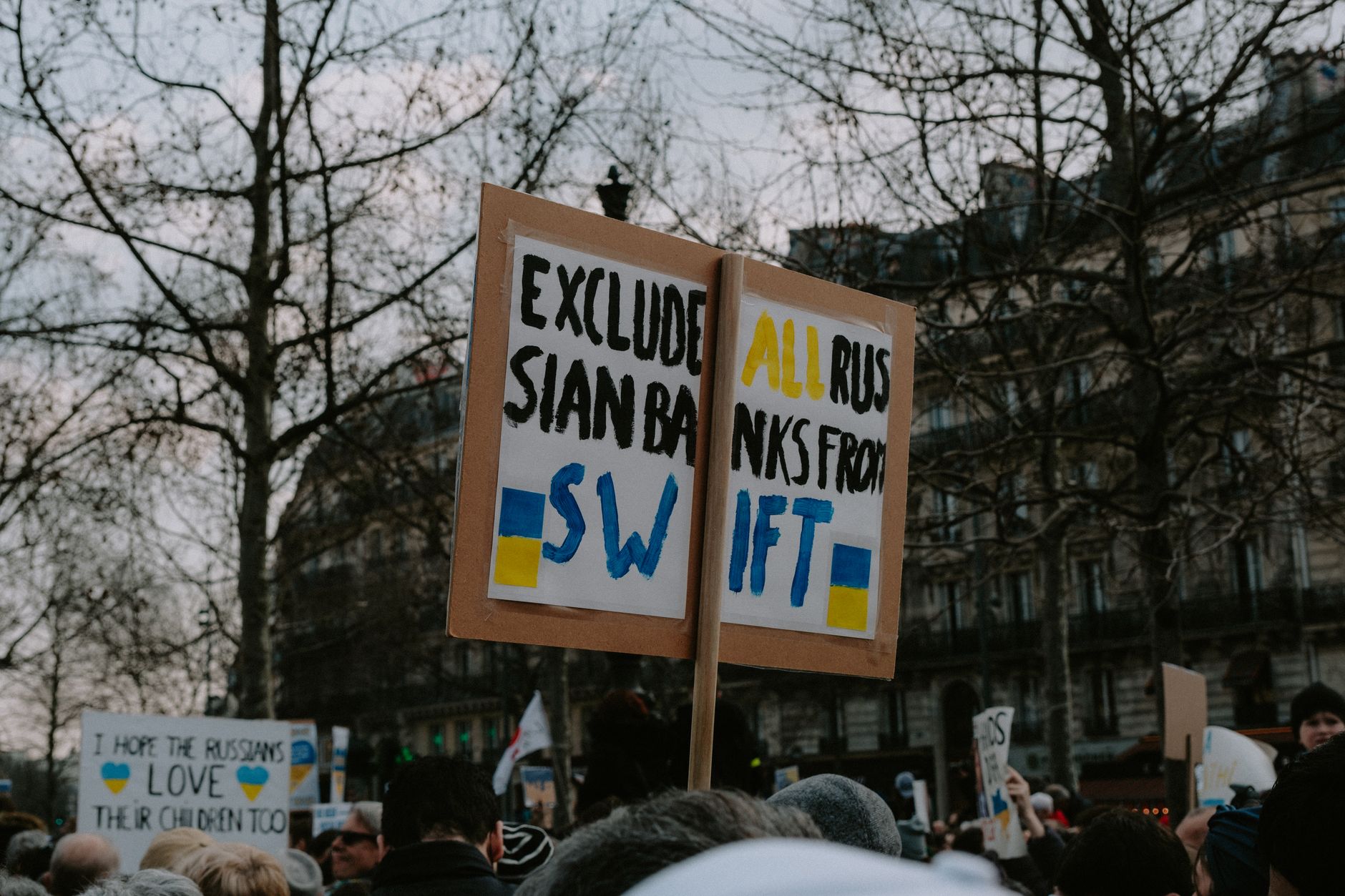
Russia-related sanctions have been waived by Trump just before their implementation under a new law, prompting significant legal discussions.
Overview of the New Law
The recent developments surrounding Russia-related sanctions have brought significant legal implications for both individuals and corporations involved in international trade. The new law, which was recently enacted, aims to tighten the measures against entities that engage in activities undermining U.S. interests concerning Russia.
Under this law, several key provisions have been introduced:
- Enhanced Penalties: Individuals and companies found violating sanctions may face increased fines and potential imprisonment.
- Asset Freezes: The government now has broader authority to freeze assets of those identified as aiding sanctioned Russian entities.
- Expanded Definition of Sanctions Violations: The law clarifies what constitutes a violation, making it easier for authorities to prosecute offenders.
- International Cooperation: There is a renewed emphasis on working with allies to enforce these sanctions uniformly across borders.
The implications of this new law are profound, as individuals and businesses must navigate the complex landscape of compliance to avoid severe repercussions.
Impact on International Relations
The impact on international relations due to Russia-related sanctions cannot be underestimated. As nations impose these measures, diplomatic ties often suffer, creating a ripple effect across various sectors.
Countries that impose sanctions may find themselves facing repercussions, such as:
- Retaliatory measures from Russia, which could include economic counter-sanctions.
- Increased tensions between nations, leading to a breakdown in negotiations over other global issues.
- Loss of trade opportunities, as businesses may hesitate to engage with countries enforcing strict sanctions.
- Shifts in alliances, with nations reevaluating their partnerships based on compliance with sanctions.
The delicate balance of maintaining diplomatic relations while enforcing Russia-related sanctions poses significant challenges. As countries navigate this landscape, the long-term consequences of these sanctions could reshape geopolitical dynamics for years to come.
Legal Implications of Waiving Sanctions
The decision to waive Russia-related sanctions can lead to significant legal implications for both individuals and entities involved. By bypassing these sanctions, parties may inadvertently expose themselves to various risks, including:
- Legal Liability: Those who violate or circumvent sanctions may face harsh penalties, including fines and imprisonment.
- Reputation Damage: Companies and individuals associated with waiving sanctions might suffer reputational harm, leading to loss of business opportunities.
- Increased Scrutiny: Waiving sanctions can attract unwanted attention from regulatory bodies, resulting in audits and investigations.
- Civil Lawsuits: Affected parties may pursue civil actions against those who fail to comply with sanctions, seeking damages for any losses incurred.
Furthermore, understanding the complex legal framework surrounding Russia-related sanctions is crucial. Entities must remain vigilant and informed about the ramifications of their actions in order to navigate the intricate landscape of international law effectively.
Public Reaction to Trump’s Decision
The recent decision by former President Trump to waive key Russia-related sanctions has sparked significant public reaction across various sectors. Many citizens expressed their concerns regarding the potential ramifications of this action on national security and international relations.
Critics argue that the move undermines the efforts to hold Russia accountable for its actions. Public protests have erupted in several cities, with many demonstrators holding signs that read “No to Sanctions Waivers” and “Stand Firm Against Russia.” Supporters of the decision, however, claim that it demonstrates a willingness to engage in diplomacy and may pave the way for improved relations.
Social media has also played a crucial role in shaping the discourse, with numerous hashtags trending to express both support and opposition to Trump’s stance. Some commentators emphasize the need for a balanced approach, advocating for maintaining pressure on Russia while exploring diplomatic avenues.
- Public protests: Citizens rallying against sanctions waivers.
- Social media impact: Trends reflecting diverse opinions.
Expert Opinions on Sanctions
Experts in international law and relations have expressed mixed opinions regarding the recent Russia-related sanctions and their implications. Some believe that waiving these sanctions could undermine the authority of existing laws, while others argue that it is a strategic move to foster diplomacy.
Professor Elena Sokolov, a renowned legal scholar, states, “The decision to waive Russia-related sanctions poses significant risks, as it may embolden aggressive actions by the Russian government.” She emphasizes the importance of maintaining pressure through sanctions as a means of accountability.
Conversely, Dr. Alexei Petrov, a political analyst, suggests that such actions could open avenues for negotiation and peace. “Engagement, rather than isolation, might yield better results in the long term,” he notes.
As the debate continues, many are left wondering about the potential legal consequences of these sanctions and how they will impact future international relations. The consensus remains that the ramifications of this decision will be felt for years to come.
Future of US-Russia Relations
The future of US-Russia relations remains uncertain following the recent decision to waive key Russia-related sanctions. This development has prompted various reactions from political analysts and lawmakers alike, who are concerned about the implications for both domestic and international policy.
Some experts argue that the move could signal a shift toward a more cooperative relationship between the two nations. Others, however, warn that it may undermine efforts to hold Russia accountable for its actions on the global stage. The legal consequences of such sanctions are profound, as they can hinder diplomatic negotiations and affect economic stability.
As the dust settles on this decision, it is crucial to monitor how the US government’s stance on Russia evolves. The long-term effects on international alliances and the enforcement of existing sanctions may shape future diplomatic interactions.
Ultimately, the approach taken by the US will likely influence not only its relationship with Russia but also how other countries respond to sanctions in the future.
Analysis of Tariff Changes
The recent decision by Trump to waive key Russia-related sanctions has raised significant concerns regarding tariff changes that could affect various sectors. Analysts suggest that these alterations may lead to an unpredictable economic landscape, particularly for industries reliant on imports and exports involving Russia.
Key points of analysis include:
- Tariff Adjustments: The waiving of sanctions may lead to a temporary reduction in tariffs, providing short-term relief to businesses.
- Market Reactions: Investors are closely monitoring the situation, with fluctuations in stock prices reflecting uncertainty about future sanctions.
- Long-term Effects: Experts warn that while immediate tariff changes might seem beneficial, they could undermine the effectiveness of sanctions aimed at curbing aggressive actions by the Russian government.
- Global Trade Dynamics: The shift in tariff policies might lead to new trade alliances or exacerbate existing tensions with other countries.
As the legal ramifications unfold, stakeholders must remain vigilant in assessing the broader implications of these tariff changes.
What This Means for Businesses
The recent developments surrounding Russia-related sanctions have significant implications for businesses operating internationally. Companies must navigate a complex landscape shaped by evolving regulations and potential penalties. With the waiving of key sanctions, businesses may find temporary relief; however, this does not eliminate the underlying risks associated with compliance.
Organizations must remain vigilant, as the legal consequences of non-compliance can be severe. These consequences include:
- Fines and Penalties: Businesses may face substantial financial penalties if found to be in violation of sanctions.
- Reputational Damage: Association with sanctioned entities can tarnish a company’s reputation and affect relationships with partners and customers.
- Operational Challenges: Navigating the legal landscape may require additional resources, including legal counsel and compliance teams.
In summary, while the waiver of Russia-related sanctions might seem beneficial, the potential legal risks necessitate a cautious approach for businesses engaged in international trade.
Photo by Mathias Reding on Pexels