Gary Young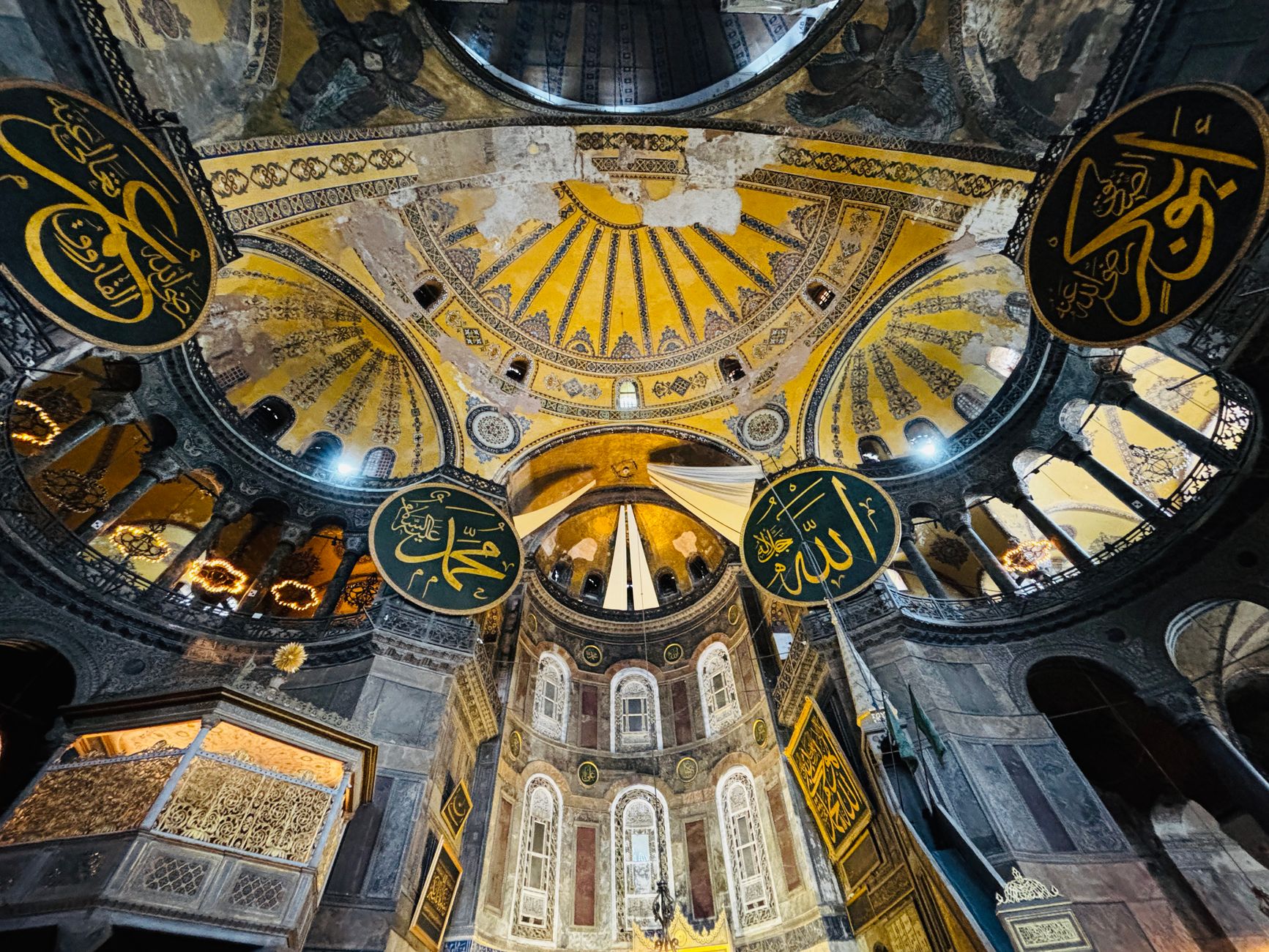
reservation for Islam converts has gained a new legal footing following the Supreme Court’s ruling, which supports the Madras High Court’s order. This decision is seen as a boon for the affected community.
Overview of the Supreme Court Ruling
The recent ruling by the Supreme Court of India has garnered significant attention and support, particularly from leaders within the religious community. The court upheld the Madras High Court’s order advocating for reservation for Islam converts, which has been hailed as a vital step towards social equity.
Supporters of the ruling believe that it addresses long-standing inequalities faced by converts to Islam, providing them with much-needed opportunities in education and employment. The decision is seen as a recognition of the unique challenges that these individuals encounter, often stemming from socio-economic disadvantages.
Jagadguru Satishacharya has expressed his approval, calling the ruling a “boon for India.” He emphasized that this initiative not only benefits the converts but also strengthens the fabric of society by promoting inclusivity. The ruling is expected to pave the way for more comprehensive policies that support marginalized communities, ensuring that all citizens have equal access to resources and opportunities.
As discussions around reservation for Islam converts continue, it remains clear that this ruling marks a significant moment in India’s pursuit of social justice.
Impact on the Community
The recent Supreme Court ruling on reservation for Islam converts has sparked significant discussions about its potential impact on the community. Supporters of the ruling argue that it provides a much-needed platform for social and economic upliftment among converts, who often face discrimination and marginalization.
By recognizing the unique challenges faced by Islam converts, the ruling aims to create greater opportunities for education and employment. This step is seen as a way to enhance their participation in society and promote inclusivity.
Moreover, the decision has been welcomed by various community leaders and organizations. They believe that the reservation can lead to:
- Improved access to education: More opportunities for higher education can empower young converts.
- Economic development: Increased job opportunities can help uplift families and communities.
- Social integration: The reservation for Islam converts can foster a sense of belonging and equality.
Ultimately, this ruling is seen as a crucial step towards addressing historical injustices and ensuring a more equitable future for all members of society.
Jagadguru Satishacharya’s Reaction
Jagadguru Satishacharya has expressed strong support for the recent Supreme Court ruling that endorses reservation for Islam converts, describing it as a significant step towards social justice. In his statement, he emphasized that this ruling not only acknowledges the rights of converts to Islam but also aims to uplift marginalized communities within the country.
He stated, “This ruling is a boon for India, as it strengthens our commitment to equality and inclusivity.” By allowing reservations, the government is taking meaningful strides towards integrating Islam converts into the mainstream socio-economic framework, addressing historical injustices faced by many.
Jagadguru Satishacharya noted the potential benefits, including:
- Enhanced Educational Opportunities: Reservation can provide access to quality education for converts.
- Improved Employment Prospects: With reservations, more jobs will be accessible, fostering economic independence.
- Social Empowerment: This initiative can aid in the overall upliftment of the community, breaking the cycle of poverty.
He concluded by urging the government to implement the ruling effectively, ensuring that reservation for Islam converts translates into real change for those in need.
Legal Precedents for Reservation
The legal landscape surrounding reservation for Islam converts has seen significant developments in recent years. Various courts have recognized the need for affirmative action for marginalized communities, including those who have converted to Islam. These rulings have often cited the necessity to ensure social justice and equality for all.
One notable case that set a precedent involved the Madras High Court, which upheld the rights of Islam converts to benefit from reservations in educational institutions and public employment. The court emphasized that this group, despite their religious conversion, continues to face socio-economic challenges that warrant special consideration.
Additionally, the Supreme Court’s recent affirmation of this ruling has reinforced the legitimacy of reservations for Islam converts. Legal experts argue that these decisions align with the broader goals of the Indian Constitution, which seeks to uplift marginalized sections of society.
As the discourse on reservation for Islam converts evolves, it is crucial to monitor its implementation and the impact it has on the communities involved. Continued advocacy and legal support will be essential to ensure that these provisions are effectively realized.
Understanding the Reservation Policy
The reservation policy for Islam converts in India is a significant development aimed at providing equitable opportunities to those who have embraced the faith. This policy acknowledges the socio-economic challenges faced by converts and seeks to uplift them through affirmative action. Understanding this policy requires a look at its underlying principles and intended outcomes.
Firstly, the reservation for Islam converts is designed to ensure representation in education and employment sectors. It aims to empower individuals who may have been marginalized within their communities, allowing them to access resources that can enhance their quality of life.
Secondly, the policy is grounded in the constitutional mandate to promote social justice. By providing reservations, the government is not only recognizing historical injustices but also working towards a more inclusive society.
Moreover, this initiative has garnered support from various leaders, including Jagadguru Satishacharya, who views it as a positive step for India’s pluralistic fabric. Overall, understanding the reservation policy for Islam converts highlights its role in fostering equality and justice within the larger social framework.
Challenges Ahead for Implementation
The recent Supreme Court ruling on reservation for Islam converts has sparked hope within the community, yet several challenges remain for effective implementation. One of the primary hurdles is the lack of a clear framework detailing how these reservations will be operationalized at various levels of government.
Furthermore, there are concerns regarding the eligibility criteria for beneficiaries. It is essential to define which individuals qualify as Islam converts and how their previous social standings will be assessed. This could lead to disputes and confusion, potentially undermining the intended benefits of the reservation policy.
Another challenge lies in the need for awareness and understanding among both the community and local authorities. Many individuals may not be informed about their rights under this new ruling, which could result in underutilization of the benefits. Education and outreach programs will play a crucial role in ensuring that the reservation for Islam converts is effectively communicated and implemented.
Lastly, resistance from various political and social groups may pose obstacles, necessitating a united front from advocates to navigate these challenges and ensure the success of the policy.
Public Opinion on the Ruling
Public opinion on the recent Supreme Court ruling regarding reservation for Islam converts is a mix of optimism and skepticism. Many view the decision as a progressive step towards inclusivity, while others express concerns about its long-term implications.
Supporters of the ruling believe it acknowledges the unique challenges faced by Islam converts, providing them with opportunities that may have been previously inaccessible. Jagadguru Satishacharya has been vocal about the positive impact of the ruling, describing it as a “boon for India,” and emphasizing its potential to uplift marginalized communities.
Conversely, critics argue that the reservation for Islam converts may lead to further division within society, questioning whether it addresses the root causes of inequality. They also raise concerns about the criteria for determining eligibility, fearing that it could be misused or lead to conflicts among different religious groups.
As public discourse continues to evolve, it is essential to assess both the immediate and long-term effects of this ruling on social dynamics. The debate reflects a broader conversation about identity, equity, and the role of government in promoting social justice.
Next Steps for Affected Individuals
For individuals affected by the recent Supreme Court ruling on reservation for Islam converts, several steps can be taken to navigate this new landscape effectively. Firstly, it is essential for individuals to familiarize themselves with the specifics of the ruling and how it applies to their circumstances. Understanding the eligibility criteria and the types of benefits available under this reservation policy will be crucial.
Secondly, affected individuals should consider reaching out to local community organizations that specialize in legal aid and advocacy. These organizations can provide guidance on how to apply for benefits and navigate the bureaucratic processes involved. Additionally, attending community meetings and forums can offer insights and updates regarding implementation and support services.
Lastly, staying informed about potential challenges and the ongoing dialogue surrounding the ruling is vital. Engaging with local representatives or advocacy groups can ensure that the voices of converts to Islam are heard, fostering a community that supports equitable access to opportunities. By taking these proactive steps, individuals can better position themselves to benefit from the reservation for Islam converts.
Photo by umut erdem on Pexels