Gary Young
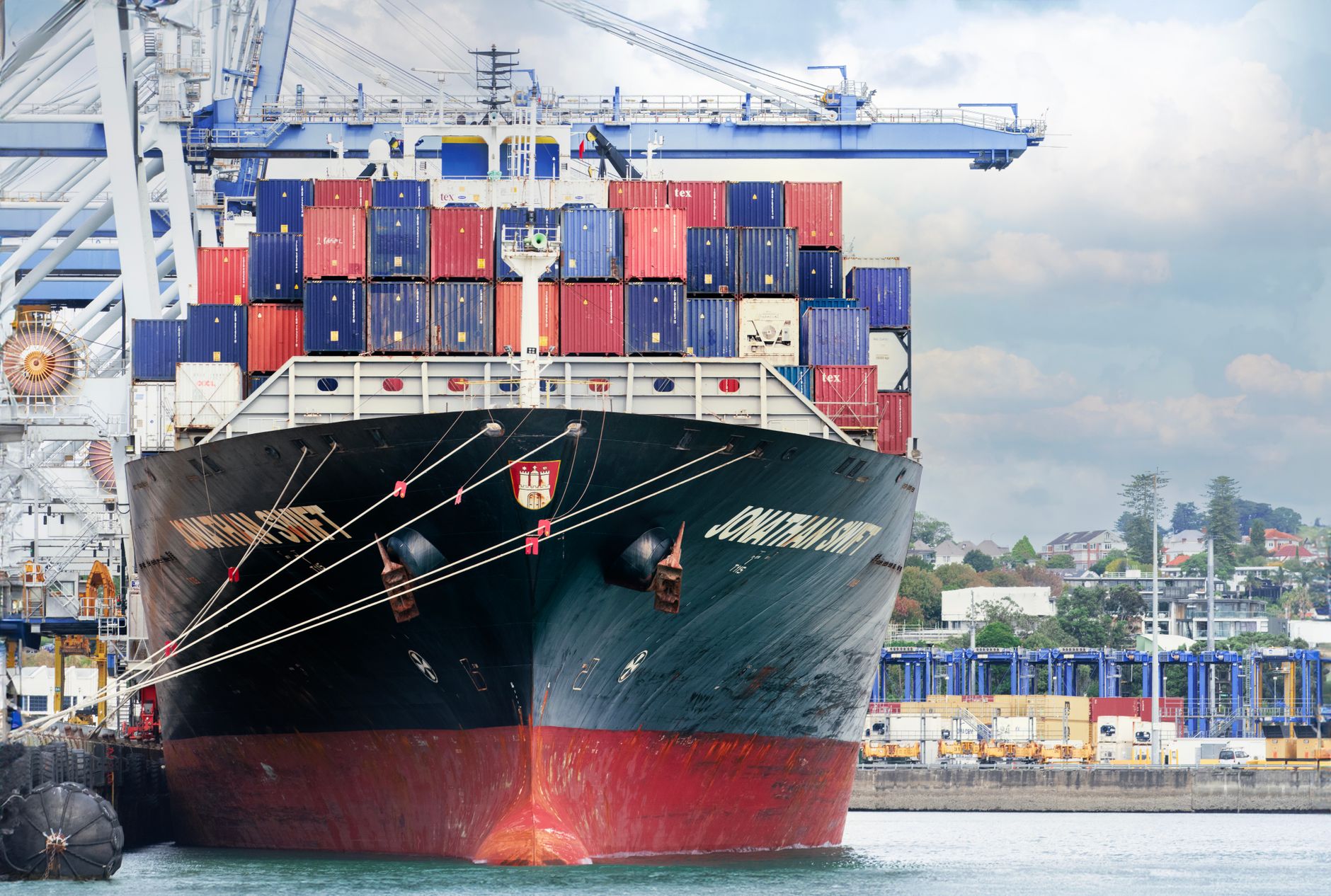
The India New Zealand free trade pact is set to come into effect on Oct 20, bringing significant changes to trade relations between the two nations.
Overview of the India New Zealand free trade pact
The long-anticipated India New Zealand free trade pact is set to officially come into effect on October 20, marking a significant milestone in bilateral trade relations between the two nations. This agreement aims to eliminate tariffs on a wide array of goods and services, fostering increased economic cooperation and investment opportunities.
The pact covers various sectors, including:
- Agriculture: Reduction of tariffs on dairy, fruits, and vegetables.
- Manufacturing: Encouragement of trade in textiles, machinery, and electronics.
- Services: Enhanced access for professionals in education, engineering, and healthcare.
With this free trade agreement, both countries aim to strengthen their economic ties and diversify their trade partnerships. New Zealand exports to India include products such as dairy, meat, and wine, while India’s exports primarily consist of textiles, machinery, and pharmaceuticals. The elimination of tariffs is expected to benefit consumers by reducing prices and increasing the variety of goods available in the market.
Moreover, the pact is anticipated to create new job opportunities in both nations, as businesses are expected to expand operations to meet the growing demand. As the implementation date approaches, industry stakeholders remain optimistic about the potential benefits of the India New Zealand free trade pact, while also expressing the need for effective monitoring to ensure that the objectives are met.
Key benefits of the trade agreement
The India New Zealand free trade pact is expected to bring several key benefits to both nations, enhancing economic ties and fostering growth. Here are some of the major advantages:
- Increased Market Access: The agreement will provide Indian and New Zealand businesses with easier access to each other’s markets, allowing for greater trade opportunities.
- Reduction of Tariffs: Significant cuts in tariffs on goods and services will make exports cheaper, encouraging trade and enhancing competitiveness.
- Enhanced Investment Opportunities: The pact is likely to attract foreign direct investment (FDI) from both countries, stimulating economic development and job creation.
- Boost to Agricultural Exports: Indian farmers can benefit from increased export opportunities for agricultural products, while New Zealand can strengthen its dairy and meat exports in India.
- Strengthened Bilateral Relations: The agreement is expected to deepen the strategic partnership between India and New Zealand, fostering political and cultural ties in addition to economic ones.
- Technology Transfer: Collaboration in areas such as technology and innovation will be promoted, allowing both countries to benefit from knowledge sharing.
In summary, the India New Zealand free trade pact holds promise for substantial economic growth and cooperation, making it a significant development for both nations.
Potential challenges for businesses
While the India New Zealand free trade pact presents numerous opportunities, businesses may face several challenges as they navigate the new trade landscape. Understanding these potential hurdles is crucial for companies looking to capitalize on the agreement.
- Regulatory Compliance: Businesses will need to comply with varying regulations in both countries. This includes understanding customs procedures, tariffs, and standards that may differ significantly from domestic regulations.
- Market Competition: With the influx of goods from New Zealand, Indian businesses may encounter increased competition in sectors such as dairy and agricultural products. Adapting to the competitive landscape will be essential for survival and growth.
- Supply Chain Disruptions: Adjusting supply chains to accommodate new trade routes can lead to temporary disruptions. Companies may need to invest in logistics and infrastructure to ensure efficiency in the new environment.
- Trade Barriers: Although the pact aims to reduce tariffs, non-tariff barriers may still pose challenges. These include import quotas and standards that might complicate market access for certain products.
- Cultural Differences: Companies must also navigate cultural differences and business practices in New Zealand. Understanding local consumer behavior will be vital for effectively marketing products.
In conclusion, while the India New Zealand free trade pact offers significant advantages, businesses must prepare to address these potential challenges to fully leverage its benefits.
Impact on local economies
The India New Zealand free trade pact is expected to have significant implications for local economies in both countries. As the agreement comes into effect, businesses and stakeholders are keenly observing how it will reshape trade dynamics.
One of the primary impacts of the pact will be the reduction of tariffs on a variety of goods. This will enable local producers in both nations to gain access to new markets, potentially increasing their export volumes. For instance, Indian farmers may find it easier to export agricultural products to New Zealand, benefiting from lower duties that enhance their competitiveness.
However, there are concerns about the potential disruption to local industries. Some sectors in New Zealand, particularly dairy and manufacturing, may face increased competition from Indian imports, which could lead to job losses and economic shifts. Similarly, Indian manufacturers might struggle to compete with the influx of New Zealand products that could be offered at lower prices due to reduced tariffs.
To address these challenges, both governments are expected to implement support measures for affected industries, ensuring that the transition is as smooth as possible. Additionally, the pact may encourage local businesses to innovate and improve efficiency, ultimately benefiting consumers through better products and services.
Overall, the long-term impact of the India New Zealand free trade pact on local economies will depend on how well both nations navigate the opportunities and challenges that arise in the wake of this agreement.
Future trade relations between India and New Zealand
The future trade relations between India and New Zealand are poised for significant transformation following the implementation of the India New Zealand free trade pact. This agreement, effective from October 20, aims to enhance economic cooperation and foster mutual growth between the two nations.
Both countries have identified key sectors for collaboration, including agriculture, technology, and services. With India’s growing demand for high-quality agricultural products and New Zealand’s expertise in this domain, there is potential for increased exports and imports that could benefit both economies.
Moreover, the pact is expected to facilitate easier access for Indian businesses to New Zealand’s markets, particularly in the fields of information technology and pharmaceuticals. This could lead to a surge in investments and partnerships, fostering innovation and development.
However, the path forward may not be without hurdles. Businesses on both sides will need to navigate regulatory frameworks and adapt to varying market conditions. Understanding these dynamics will be essential for leveraging the benefits of the trade agreement.
As the India New Zealand free trade pact takes effect, stakeholders will be closely monitoring its impact on bilateral relations. The coming months will reveal whether this pact can indeed live up to the expectations set forth by proponents on both sides.
Conclusion and next steps
In conclusion, the India New Zealand free trade pact presents a significant opportunity for both nations to enhance their economic ties and mutual prosperity. With the agreement set to come into effect on October 20, stakeholders across various sectors are preparing to adapt to the new trading environment.
While the potential benefits are substantial, including increased market access and reduced tariffs, businesses must also navigate the challenges that may arise during the implementation phase. It is crucial for companies to stay informed about the terms of the agreement and to strategize effectively in order to leverage the opportunities presented.
Looking ahead, the next steps involve:
- Engagement with stakeholders: Continuous communication between the governments of India and New Zealand, along with industry leaders, will be essential to address any concerns that emerge post-implementation.
- Monitoring and evaluation: Regular assessment of the pact’s impact on trade volumes and economic growth will help in adjusting policies as needed.
- Public awareness campaigns: Educating businesses and consumers about the benefits and procedures related to the free trade agreement can drive participation and optimize outcomes.
Overall, the successful realization of the India New Zealand free trade pact hinges on collaboration, adaptability, and a proactive approach to emerging challenges and opportunities.
Photo by Miguel Cuenca on Pexels
Where this came from
You might also like
NMC Medical Standards Rules: The Worst Change for Colleges · Horti Wine Rule: The Right Move for Kerala’s Agriculture · Airline Rules Changes: The Right Way to Claim Delays