Gary Young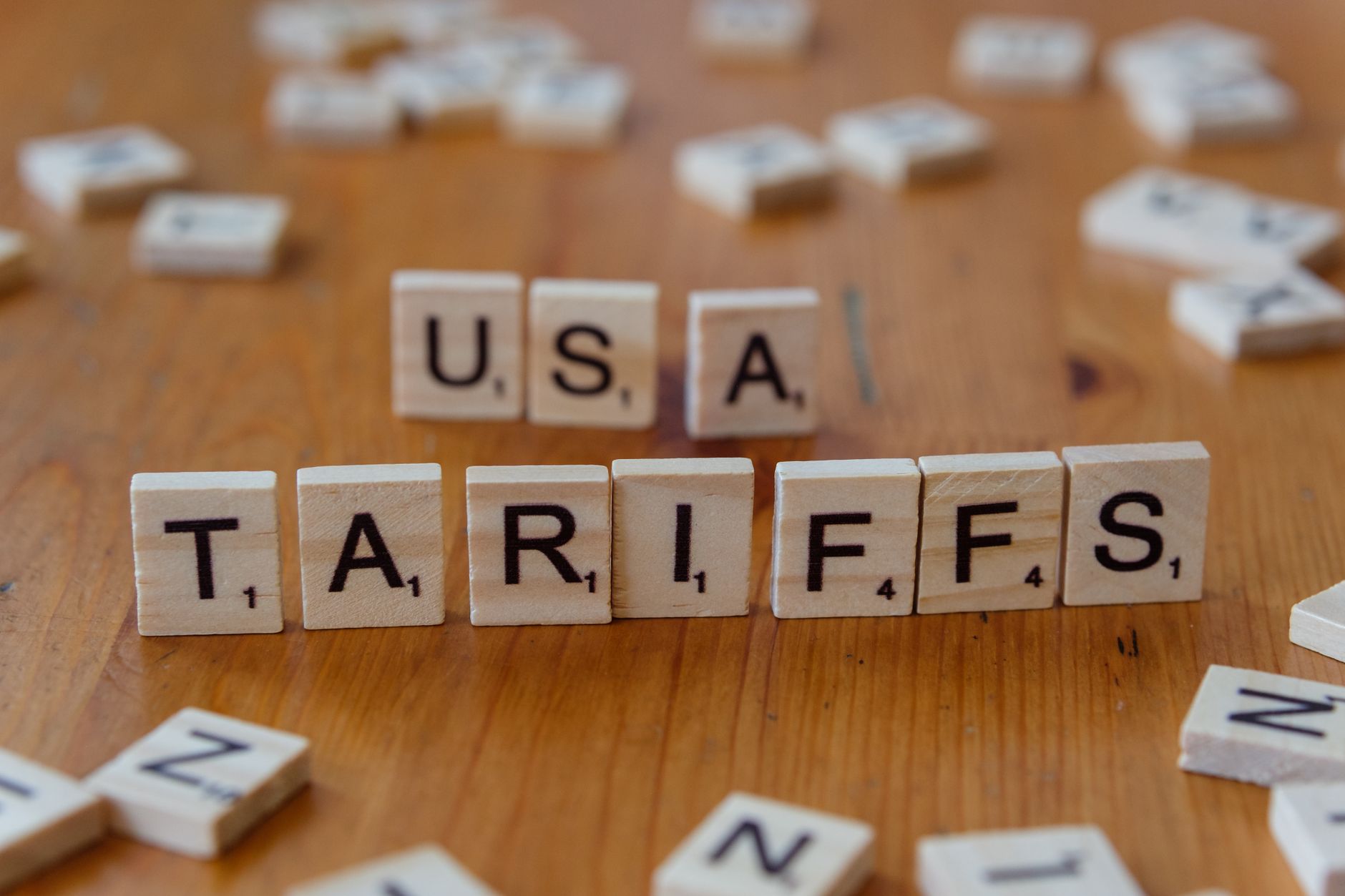
Graham Act tariffs have recently been a significant topic in India as the country receives a reprieve regarding Russian oil imports. This development could have wide-ranging effects on India’s energy sector and international relations.
Understanding the Graham Act Tariffs
The Graham Act tariffs are a significant aspect of international trade regulations, particularly in the context of oil imports. Recently, India received a temporary reprieve from these tariffs concerning Russian oil, highlighting the complexities involved in global trade policies.
Understanding the Graham Act tariffs requires examining their implications on various sectors, including:
- Trade Balance: How tariffs affect the import-export dynamics.
- Oil Prices: The impact on domestic fuel costs for consumers.
- Geopolitical Relations: The influence on India’s ties with other nations.
The ongoing debate around the Graham Act tariffs raises essential questions about their long-term viability and whether they serve as the best solution for India’s energy needs in a rapidly changing global landscape.
Impact of Tariffs on Indian Economy
The implementation of Graham Act tariffs has sparked considerable debate regarding its effects on the Indian economy. Proponents argue that these tariffs can protect local industries from foreign competition, fostering growth and job creation. However, critics contend that such measures may lead to increased prices for consumers and hinder access to essential goods.
Key impacts include:
- Increased Production Costs: Local manufacturers may face higher input costs, affecting their competitiveness.
- Consumer Prices: Tariffs can lead to higher prices for imported products, impacting the overall cost of living.
- Trade Relations: The introduction of tariffs might strain India’s trade relations with other nations, especially those affected by these measures.
Ultimately, the effectiveness of Graham Act tariffs in bolstering India’s economy remains to be seen.
Recent Developments in Oil Imports
Recent developments regarding oil imports have sparked discussions on the implications of the Graham Act tariffs. Recently, India received a temporary reprieve from these tariffs concerning Russian oil imports, allowing the country to maintain a steady supply amidst fluctuating global prices.
This decision comes at a crucial time when India is grappling with rising energy costs and the need for affordable oil to sustain its economy. With the removal of certain restrictions, Indian importers are optimistic about securing better deals.
However, concerns remain about the long-term sustainability of this approach. Stakeholders are debating whether the Graham Act tariffs are indeed the best solution for India or if alternative strategies might yield more favorable outcomes in the future. As global dynamics continue to shift, the impact of these tariffs will be closely monitored.
Legal Implications for India
The legal implications of the Graham Act tariffs for India are multifaceted and complex. As the country navigates its energy needs amidst geopolitical challenges, compliance with international trade laws becomes critical. The Graham Act tariffs, designed to address issues of trade fairness, may pose challenges for India, especially in its dealings with oil imports from nations like Russia.
India must consider several key factors:
- Trade Agreements: Existing bilateral and multilateral agreements could be affected by the tariffs.
- Domestic Laws: Enforcement of the Graham Act tariffs may require adjustments to India’s own legal framework.
- International Relations: The tariffs can influence India’s relationships with both trading partners and global organizations.
Ultimately, assessing the legal ramifications is crucial for India’s economic strategy moving forward.
Future of Russian Oil in India
The future of Russian oil imports in India is complicated by the recent suspension of Graham Act tariffs. This reprieve offers a temporary relief to Indian importers, allowing them to access Russian oil at competitive prices without the burden of additional tariffs. However, the geopolitical landscape remains uncertain, as tensions between Russia and Western nations may influence future trade agreements.
Industry experts suggest that while the Graham Act tariffs may provide short-term benefits, India’s long-term energy strategy should consider diversification of sources. The reliance on Russian oil poses risks if sanctions re-emerge or if prices fluctuate dramatically due to international pressures.
In light of these factors, it is essential for India to evaluate its energy policies and consider sustainable alternatives to ensure energy security in a rapidly changing global market.
Trade Relations Between India and Russia
The trade relations between India and Russia have significantly evolved in recent years, particularly in light of the Graham Act tariffs. These tariffs have created a complex landscape for bilateral trade, especially in the energy sector. India has sought to maintain its energy imports from Russia despite international pressures, navigating the challenges posed by tariff regulations.
Recent developments suggest that India has received a temporary reprieve from Graham Act tariffs concerning Russian oil imports. This exemption is crucial for India as it seeks to balance its energy needs with geopolitical considerations. The ongoing partnership is underscored by mutual interests, with Russia providing a steady supply of oil while India remains a vital market.
- Strengthening economic ties
- India’s strategic energy needs
- Implications of tariff regulations
Photo by Markus Winkler on Pexels