Gary Young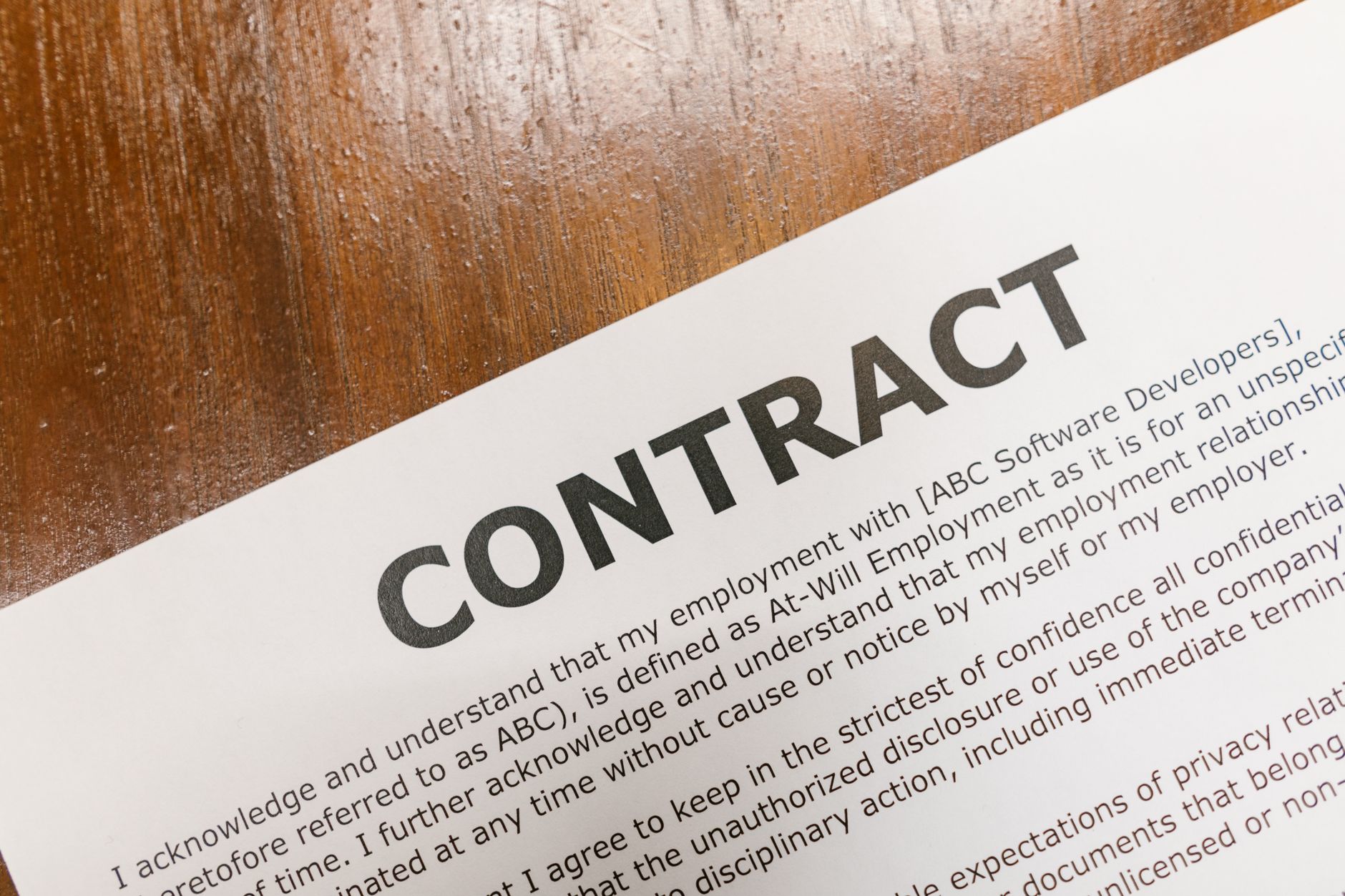
The employment law change introduces a new two-week leave rule that affects workers across the UK. This significant adjustment aims to enhance work-life balance and employee rights.
Overview of the Employment Law Change
The recent announcement from the government, led by Andy Burnham, has confirmed a significant employment law change that introduces a new two-week leave rule for workers. This development aims to enhance employee rights and improve work-life balance across various industries.
The new rule is designed to provide employees with greater flexibility and support during critical life events. Key aspects of the two-week leave rule include:
- Eligibility: All employees will be entitled to the leave, regardless of their length of service.
- Usage: The leave can be taken for various reasons, such as family emergencies, personal health issues, or caring for a loved one.
- Implementation: Employers will be required to adjust their leave policies and ensure compliance with the new regulations.
This employment law change is expected to benefit thousands of workers, allowing them to take necessary time off without the fear of losing their jobs. The government believes that by enacting this rule, the workforce will feel more secure and valued, ultimately leading to increased productivity and job satisfaction.
Details of the Two-Week Leave Rule
The recent employment law change introduces a significant new provision regarding employee leave. The two-week leave rule allows workers to take time off for various personal reasons without the fear of losing their job or income. This initiative aims to support employee well-being and work-life balance.
Key details of the two-week leave rule include:
- Eligibility: All employees who have been with their employer for at least six months are eligible to utilize this leave.
- Duration: Workers can take a total of two weeks off in a calendar year, which can be used consecutively or in increments.
- Notification: Employees must inform their employer at least two weeks in advance of their intended leave dates.
- Reasons: The leave can be taken for personal matters, including family emergencies, mental health days, or other significant life events.
- Job Protection: Employees are guaranteed job security during this period, ensuring they can return to their previous position upon their return.
This employment law change is seen as a vital step towards fostering a healthier work environment and promoting employee rights.
Impact on Workers and Employers
The recent employment law change introducing the two-week leave rule is set to significantly impact both workers and employers across various sectors. This new regulation aims to enhance employee well-being while also presenting certain challenges for businesses to navigate.
For workers, the primary benefit of the two-week leave rule is the assurance of time off for personal matters, which can lead to improved mental health and job satisfaction. Employees will have the flexibility to manage their work-life balance more effectively, fostering a positive workplace environment.
However, employers may face challenges in implementing this new rule. Key impacts include:
- Operational Adjustments: Companies will need to adapt their staffing and scheduling to accommodate for the potential increase in leave requests.
- Financial Implications: Organizations may incur additional costs associated with hiring temporary staff or overtime for existing employees to cover absences.
- Policy Updates: Employers will be required to revise their leave policies and communicate changes clearly to staff, ensuring compliance with the new law.
Overall, while the two-week leave rule offers significant advantages for workers, it also challenges employers to balance operational needs with enhanced employee rights.
Government’s Rationale Behind the Change
The recent employment law change introduced by the Andy Burnham government aims to address the growing need for work-life balance among employees. In a rapidly evolving job market, the government recognizes that many workers face challenges in managing personal and professional responsibilities.
One of the key rationales for implementing the two-week leave rule is to enhance mental health and well-being. Research indicates that prolonged work periods without adequate breaks can lead to burnout, decreased productivity, and overall dissatisfaction in the workplace. By allowing employees a guaranteed two-week leave, the government hopes to foster a healthier work environment where individuals can recharge and return more focused.
Moreover, this change is designed to promote job retention. With the competitive nature of the current job landscape, companies that support their employees’ needs are likely to experience lower turnover rates. The government believes that this employment law change will encourage businesses to adopt more flexible policies, ultimately benefiting both workers and employers.
In summary, the rationale behind the new two-week leave rule is not only to support individual workers but also to create a more sustainable workforce that can adapt to the challenges of modern life.
Reactions from Labor Unions
Labor unions have responded vigorously to the recent employment law change concerning the new two-week leave rule. Many representatives have voiced their support, viewing the amendment as a significant step forward in protecting workers’ rights.
In a statement, the National Workers Union (NWU) emphasized that this change will provide much-needed relief for employees facing personal or family emergencies. They believe the new policy helps ensure that workers do not have to choose between their jobs and their well-being.
Conversely, some unions have expressed concern regarding the implementation of the new rule. The General Federation of Labor (GFL) highlighted potential challenges, stating, “While we welcome the two-week leave provision, we urge the government to ensure that adequate resources are in place for employers to comply without undue hardship.”
Furthermore, union leaders have called for clear guidelines on how the leave can be accessed and who qualifies for it. They argue that transparency will be crucial to the rule’s success and will help prevent potential abuses.
As the implementation date approaches, labor unions continue to monitor the situation closely, aiming to advocate for the best interests of workers across various industries.
Future Implications for Employment Law
The recent employment law change introducing a two-week leave rule is poised to have significant implications for both workers and employers in the long run. As businesses adapt to this new regulation, several key areas will likely experience transformations.
Firstly, organizations may need to revise their human resources policies to ensure compliance with the new leave requirements. This could involve implementing more robust tracking systems for employee leave and establishing clear protocols for requesting and approving time off.
Secondly, the financial impact on businesses cannot be overlooked. Employers may face increased labor costs due to the potential need for temporary replacements or overtime pay. Consequently, this might lead some businesses to reassess their staffing models and operational strategies.
Furthermore, the change may enhance workplace morale and employee retention, as workers will benefit from greater flexibility and support during critical personal or family situations. In turn, this could foster a more engaged and productive workforce.
Lastly, the shift could spark a wave of further employment law changes, as both advocates and critics monitor the outcomes of this new rule. Stakeholders will be keenly observing how these adjustments affect the overall labor market and employee satisfaction.
The recent employment law change introduces a new two-week leave rule that aims to provide greater flexibility for employees. This employment law change is expected to impact various sectors by promoting a healthier work-life balance.
Photo by RDNE Stock project on Pexels