Gary Young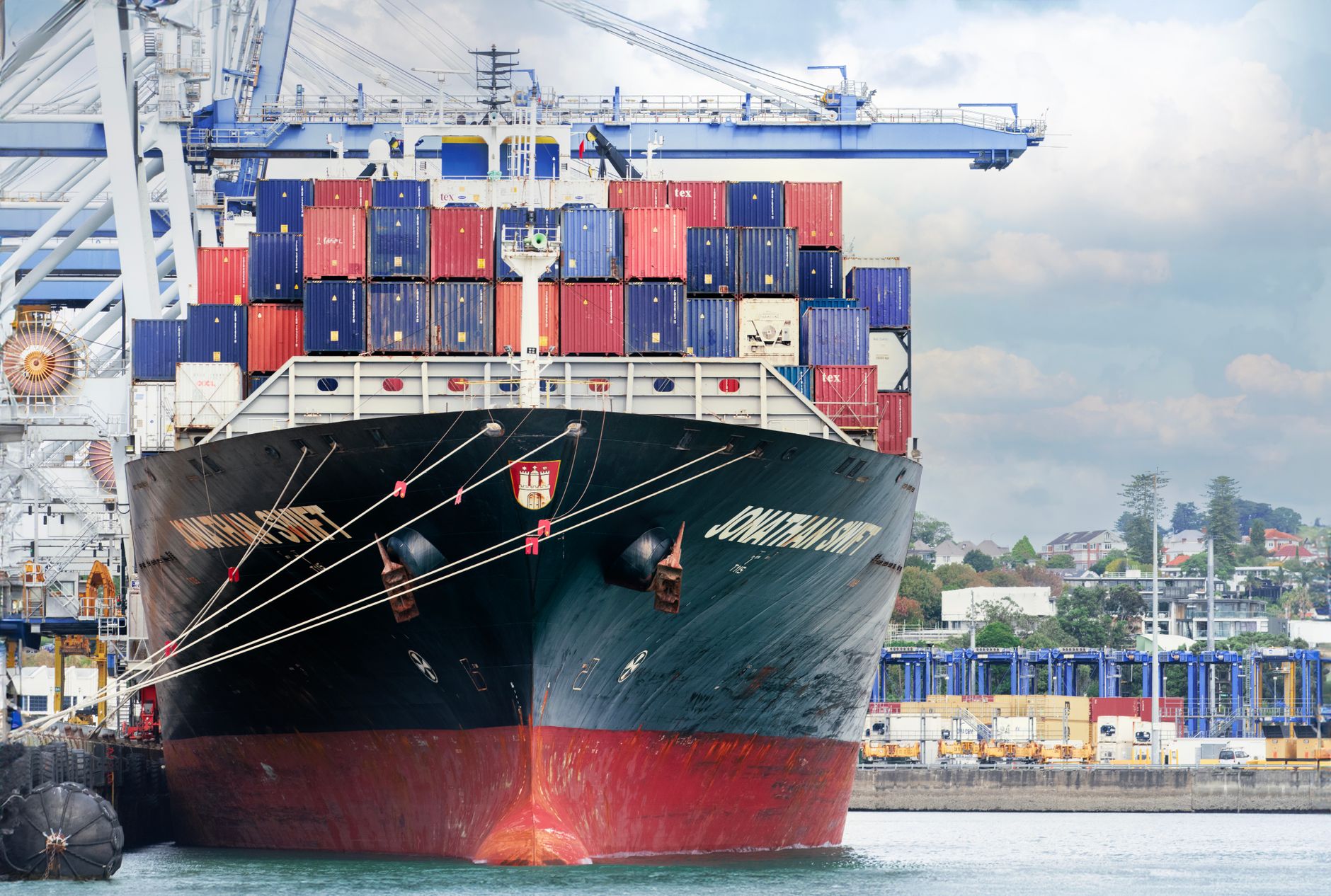
The India New Zealand free trade pact is set to come into force on October 20, bringing new economic opportunities and enhanced trade relations between the two countries.
Overview of the India New Zealand Free Trade Pact
The India New Zealand free trade pact, which is set to come into force on October 20, marks a significant milestone in the economic relations between the two nations. This agreement aims to enhance trade and investment opportunities, fostering a more integrated economic partnership.
Under the terms of the pact, key sectors such as agriculture, manufacturing, and services will benefit from reduced tariffs and improved market access. The main objectives of the agreement include:
- Boosting Bilateral Trade: The pact is expected to increase the total trade volume between India and New Zealand, aiming to reach a target of $2 billion within the next few years.
- Strengthening Economic Ties: This agreement is designed to create a framework for enhanced cooperation, encouraging mutual investments in various sectors.
- Facilitating Growth: By removing trade barriers, the pact will allow businesses and consumers to benefit from a wider range of products and services at competitive prices.
As the India New Zealand free trade pact comes into effect, both countries are optimistic about the potential for economic growth and increased collaboration on the global stage.
Key Benefits of the Free Trade Agreement
The India New Zealand free trade pact is expected to bring numerous benefits to both nations, fostering economic growth and enhancing bilateral relations. Here are some key advantages of the agreement:
- Increased Trade Opportunities: The pact aims to eliminate tariffs on a wide range of goods, facilitating easier access for Indian exporters to the New Zealand market and vice versa.
- Boost to Agriculture: Indian farmers will gain improved access to New Zealand’s agricultural products, while New Zealand’s dairy and meat industries will see a rise in exports to India.
- Investment Growth: The agreement is likely to attract investment from New Zealand into India, particularly in sectors like technology, education, and renewable energy.
- Job Creation: Enhanced trade and investment are expected to create new job opportunities in both countries, benefiting local economies.
- Cultural Exchange: Strengthening trade ties will also lead to increased cultural interactions, promoting tourism and educational exchanges between the two nations.
Overall, the India New Zealand free trade pact represents a strategic move to enhance cooperation and mutual growth in various sectors, paving the way for a prosperous future.
Impact on Businesses in India and New Zealand
The India New Zealand free trade pact is set to create significant opportunities for businesses in both nations. By eliminating tariffs on a wide range of goods, this agreement aims to enhance trade flows and foster collaboration between Indian and New Zealand companies.
Businesses in India are expected to benefit from:
- Access to New Markets: Indian exporters will gain easier entry into the New Zealand market, especially in sectors such as textiles, pharmaceuticals, and IT services.
- Increased Investment: The pact may attract New Zealand investments into India, particularly in agriculture and renewable energy sectors.
Similarly, companies in New Zealand will find advantages such as:
- Reduced Costs: Lower tariffs mean cheaper imports for New Zealand businesses, particularly in raw materials and manufactured goods.
- Market Diversification: New Zealand firms can diversify their markets and reduce dependency on traditional trade partners.
Overall, the India New Zealand free trade pact represents a strategic move that could accelerate economic growth and enhance competitiveness for businesses in both countries.
Future Prospects for Trade Relations
The future prospects for trade relations between India and New Zealand appear promising, particularly with the implementation of the India New Zealand free trade pact set for October 20. This agreement is expected to strengthen bilateral ties and enhance economic cooperation.
One of the key areas of growth will be in the agricultural sector, where both nations can explore new markets. New Zealand’s expertise in dairy and horticulture can complement India’s vast demand for quality produce. Additionally, India’s burgeoning tech sector may find new opportunities for collaboration with New Zealand’s innovative companies.
Furthermore, the trade pact can lead to increased investments in infrastructure and technology transfer, benefiting both economies. The reduction of tariffs will encourage businesses to expand their reach and tap into each other’s markets more effectively.
As both countries aim to diversify their economic partnerships, the free trade agreement sets a solid foundation for future negotiations on other sectors, including services and digital trade. Overall, the India New Zealand free trade pact marks the beginning of a new chapter in economic relations, fostering growth and mutual prosperity.
Photo by Miguel Cuenca on Pexels