Gary Young
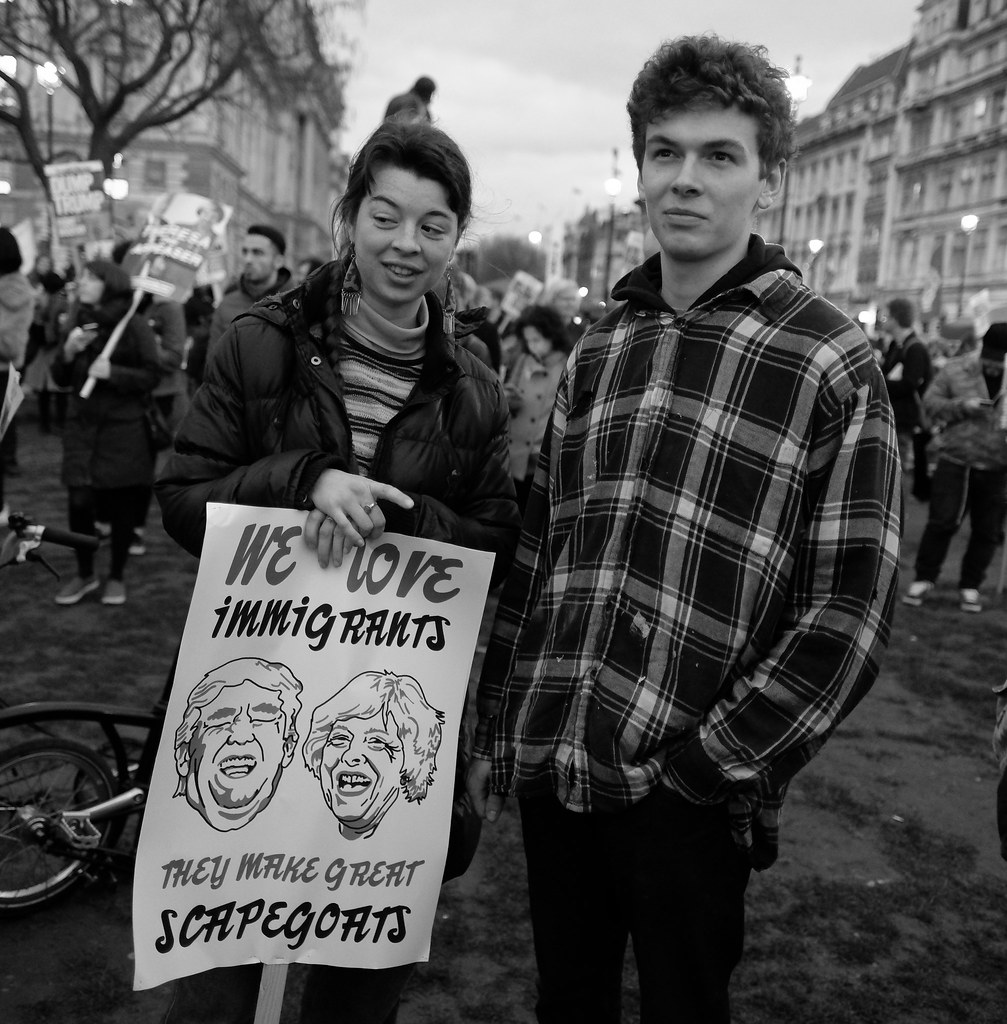
UK immigration policy is becoming a hot topic as lawmakers vow to end immigration from the Third World. This decision has significant implications for affected African nations.
Understanding UK Immigration Policy
The UK immigration policy has been a topic of significant debate, particularly in relation to its impact on African nations. Recent statements from UK lawmakers have raised concerns about the future of immigration from developing countries. The emphasis on reducing immigration from what they refer to as the ‘Third World’ has sparked outrage among advocates for racial and economic equality.
Several key aspects of the current UK immigration policy contribute to this growing tension:
- Restrictions on Visas: New regulations have tightened the criteria for obtaining visas, making it more challenging for individuals from Africa to enter the UK for work or study.
- Language and Financial Requirements: Applicants are now required to meet higher language proficiency standards and demonstrate greater financial stability, which disproportionately affects those from lower-income backgrounds.
- Asylum Policies: The UK has also implemented stricter asylum policies, leading to longer processing times and increased uncertainty for refugees fleeing conflict and persecution.
- Public Sentiment: The rhetoric surrounding immigration has shifted, with some politicians openly advocating for discriminatory practices that may further alienate African immigrants.
In light of these developments, many are questioning whether the current UK immigration policy is the most detrimental for African nations, as opportunities for migration and support diminish.
Impact on African Nations
The recent statements by UK lawmakers regarding immigration from Africa have raised significant concerns about the impact of UK immigration policy on African nations. Many fear that such rhetoric could lead to stricter regulations that disproportionately affect individuals from these countries.
Countries in Africa are already facing numerous challenges, and tightening immigration policies could exacerbate these issues. The implications of the proposed changes are far-reaching:
- Economic Strain: Many African nations rely on remittances from citizens living abroad. A decrease in opportunities for migration could result in a loss of vital income for families.
- Brain Drain: The current UK immigration policy has allowed skilled workers from Africa to contribute to both their home countries and the UK. Stricter policies may hinder this exchange of talent.
- Social Unrest: The perception of discrimination in immigration practices can lead to increased tensions within African communities, both domestically and in the diaspora.
- Humanitarian Concerns: Many individuals from Africa flee conflict and persecution. A restrictive policy could prevent those in dire need from seeking refuge and safety.
The overall impact of the UK immigration policy on African nations will require careful consideration and dialogue to ensure that the rights and opportunities for individuals are respected and upheld.
Lawmaker Statements Explained
In recent statements, UK lawmakers have sparked controversy regarding the nation’s immigration policy, particularly its implications for African countries. One prominent lawmaker expressed a commitment to ending immigration from what he referred to as the “Third World,” suggesting a shift towards a more exclusionary approach. This statement has raised significant concerns among advocates for African nations, who argue that such a policy could further marginalize these communities.
Critics of the UK immigration policy point out that labeling countries as “Third World” perpetuates stereotypes and fails to acknowledge the diverse contributions of immigrants from these regions. Many lawmakers emphasize the importance of creating a fair and just immigration system that recognizes the value of individuals irrespective of their nationality.
In reaction to the statements, several African leaders have voiced their apprehensions. They argue that restrictive policies could lead to increased economic hardship and social instability within their countries, as migration often serves as a means for individuals to seek better opportunities and support their families back home.
As the debate unfolds, it remains crucial for policymakers to consider the broader implications of their statements and the potential impact on diplomatic relations with African nations. The future of UK immigration policy could have lasting effects not only on individuals but also on the international community as a whole.
Public Reaction to Immigration Changes
The recent changes to UK immigration policy have sparked significant public debate, particularly within African communities. Many individuals voiced their concerns about the implications of these changes on their families and friends who wish to migrate to the UK.
Social media platforms have become a hotspot for discussions surrounding the potential discrimination embedded in the new policies. Users have expressed feelings of frustration and disappointment, particularly regarding statements made by UK lawmakers. These remarks have been perceived as targeting individuals from African nations.
In a recent poll conducted among UK citizens, over 60% expressed a belief that the new immigration framework disproportionately affects people from the African continent. Respondents highlighted the importance of diversity and the contributions immigrants make to society.
- “This policy feels like a step backward,” said one activist advocating for immigrant rights.
- “We must stand in solidarity with our African friends,” another commenter emphasized.
- “Discriminating based on geography is unjust,” a local leader stated during a community gathering.
As public sentiment continues to evolve, it remains to be seen how the UK government will respond to these concerns. The conversation surrounding UK immigration policy and its impact on African nations is far from over.
Future of Immigration in the UK
The future of immigration in the UK remains uncertain, especially in light of recent statements made by lawmakers regarding the country’s immigration policy. As the government aims to reshape its approach, concerns are rising about the implications for nations in Africa and beyond.
Lawmakers have proposed measures that suggest a more restrictive stance on immigration from what they term the “Third World.” Such comments have sparked debates about fairness and equity, raising questions about the UK’s commitment to international cooperation and humanitarian principles.
In response to these developments, various advocacy groups and organizations are working to highlight the potential negative outcomes of a stringent immigration policy. They emphasize that African nations, often facing economic challenges and political instability, rely on the opportunities provided by immigration to the UK.
As discussions continue, stakeholders are calling for a more inclusive approach that takes into account the contributions of immigrants to British society. The public’s reaction has been mixed, with many advocating for a balanced immigration policy that fosters diversity and supports UK growth.
Looking ahead, the UK immigration policy is likely to evolve, driven by both political pressures and public sentiment. The challenge will be to find a path that reconciles national interests with the humanitarian obligations that have characterized the country’s immigration history.
By alisdare1 via Openverse
Sources
Business Insider Africa · Us immigration policy
Related stories
Pinarayi Vijayan Case: Clear Insights on Legal Pleas · Ferrari India expansion: Best Proven Strategies for Growth · Is the India New Zealand free trade pact Worth the Hype?