Gary Young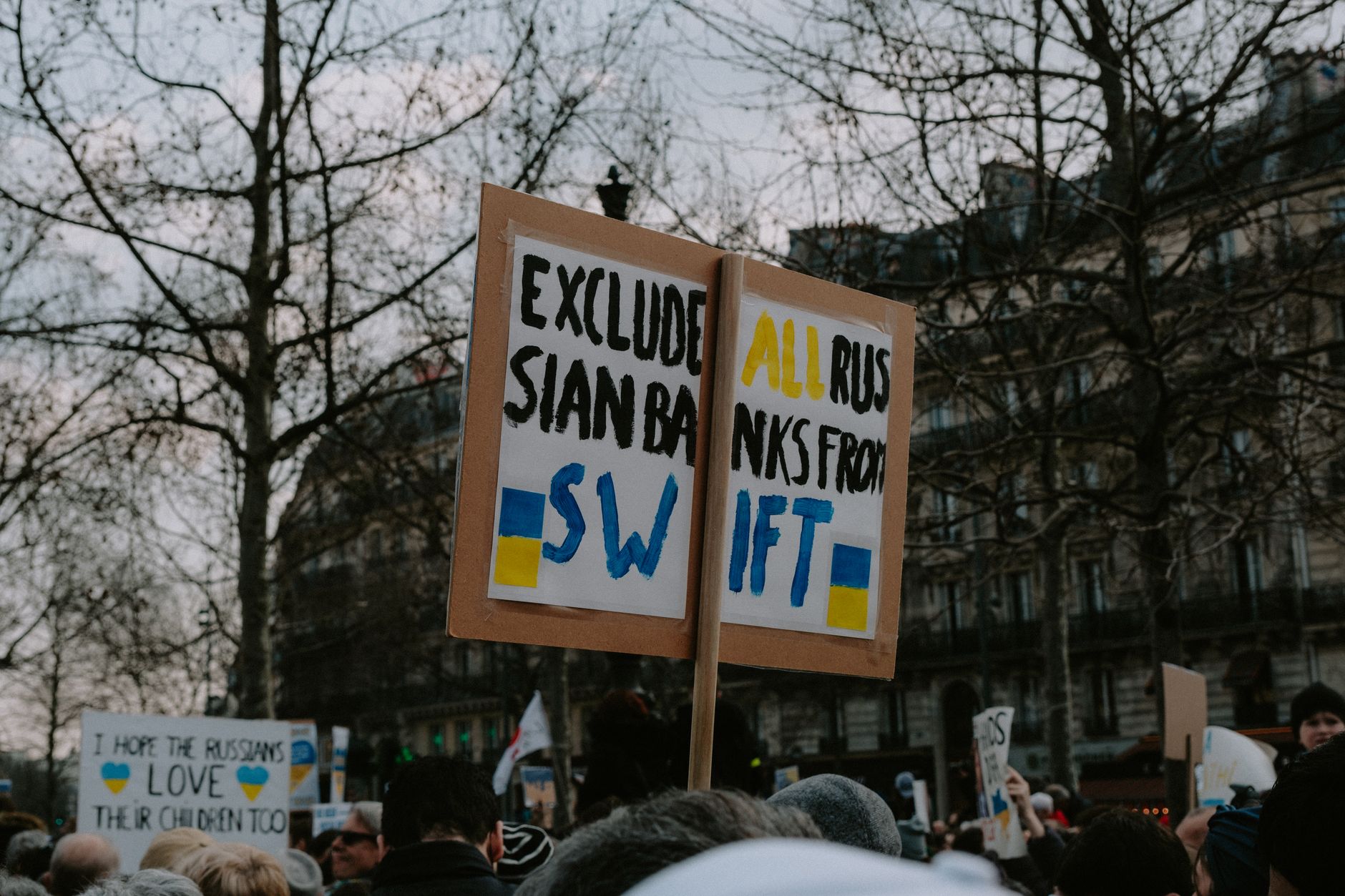
Russia sanctions waiver has become a hot topic following Trump’s recent decision to lift major sanctions just days before new laws are enacted. This move raises significant legal and economic questions.
Understanding the Russia Sanctions Waiver
The recent decision by the Trump administration to implement a Russia sanctions waiver has raised significant concerns among lawmakers and analysts. This controversial move comes just days before a new law aimed at tightening sanctions against Russia is set to take effect. Many are questioning the implications of this waiver, considering the ongoing geopolitical tensions and the need for a unified response to Russian aggression.
Critics argue that the Russia sanctions waiver undermines the intent of the new legislation and sends a contradictory message to both allies and adversaries. They contend that this decision could embolden Russia and weaken the United States’ position on the global stage. Key points of contention include:
- Timing: The waiver was issued just before the new sanctions were to be enforced.
- Impact on relations: It may strain relationships with European allies who are also concerned about Russian activities.
- Future enforcement: There are fears that this could set a precedent for future waivers and weaken enforcement efforts.
As the situation evolves, the potential repercussions of the Russia sanctions waiver will continue to be closely monitored.
Legal Consequences of Trump’s Decision
The recent decision by former President Trump to implement a Russia sanctions waiver has raised significant legal concerns. Many experts believe this move could undermine the very foundation of international sanctions aimed at curbing Russia’s aggressive actions.
One major legal consequence revolves around the potential violation of established protocols regarding foreign relations and national security. Critics argue that such a waiver could embolden Russia and set a dangerous precedent for future administrations.
Furthermore, there are questions about the implications for Congress. By circumventing legislative authority, Trump may have weakened the ability of lawmakers to impose necessary sanctions in response to international threats. This decision could also face legal challenges from various advocacy groups aimed at holding the administration accountable for its foreign policy actions.
As the new law takes effect, the ramifications of this waiver may lead to further scrutiny and legal battles. The situation underscores the complexities surrounding sanctions and the necessity for a cohesive and unified approach to foreign policy, especially concerning nations that pose a significant risk to global stability.
Public Reaction to Sanctions Lift
The recent decision by former President Trump to waive major Russia sanctions has sparked significant public outcry. Many critics argue that this move undermines the efforts to hold Russia accountable for its actions on the global stage. The timing of the sanctions waiver, just days before a new law aimed at strengthening economic penalties against Russia takes effect, has further fueled frustrations among lawmakers and the public alike.
Public reactions have been mixed, with some supporting the waiver as a strategic maneuver, while others view it as a dangerous precedent. Key points of concern include:
- National Security: Critics fear that lifting the sanctions could embolden Russia, potentially threatening global stability.
- Political Integrity: Many believe that the waiver reflects poorly on U.S. commitment to maintaining a firm stance against hostile nations.
- Public Trust: A growing number of citizens express skepticism regarding the motivations behind the sanctions lift, questioning whether political interests are prioritized over national security.
As the debate continues, the implications of the Russia sanctions waiver are likely to resonate throughout the political landscape.
Economic Impact of Tariff Changes
The recent decision to impose a Russia sanctions waiver has raised significant concerns regarding its potential economic impact. Experts warn that lifting tariffs may lead to unintended consequences for both domestic and international markets.
Several key factors are contributing to the negative outlook:
- Market Volatility: The sudden removal of sanctions is likely to create instability in various sectors, particularly in energy and defense. Companies may struggle to adapt to the rapid changes in trade policies.
- Investor Confidence: Many investors are expressing skepticism about the long-term viability of businesses affected by the sanctions waiver. This uncertainty may lead to reduced investment in sectors that were previously thriving.
- International Relations: The waiver could strain diplomatic ties with allies who oppose Russia’s actions. This could result in retaliatory measures that further complicate the global economic landscape.
Overall, the decision to waive sanctions is viewed by many as a dangerous gamble that may undermine economic stability just as new laws are poised to take effect.
What Comes Next for US-Russia Relations
The recent decision to implement a Russia sanctions waiver has raised significant concerns about the future of US-Russia relations. As the dust settles from this controversial move, analysts are left to ponder the implications of lifting these sanctions just prior to the enforcement of a new law aimed at tightening economic restrictions on Russia.
In the coming weeks, several key factors will shape the trajectory of bilateral relations:
- Diplomatic Engagement: Will the US government pursue a more conciliatory approach, or will this action lead to increased tensions?
- International Response: How will allies and adversaries react to the waiver, and what impact will this have on global perceptions of US foreign policy?
- Domestic Political Climate: The reaction from Congress and public opinion will play a crucial role in determining future actions regarding sanctions.
- Economic Consequences: The long-term economic effects of this waiver on both nations and the broader market will be closely monitored.
Ultimately, the future of US-Russia relations hinges on how these factors unfold in the wake of this significant policy shift.
The recent decision to implement a Russia sanctions waiver has raised significant concerns among policymakers. Critics argue that the Russia sanctions waiver undermines the effectiveness of existing sanctions and sends the wrong message to the international community.
Photo by Mathias Reding on Pexels