Gary Young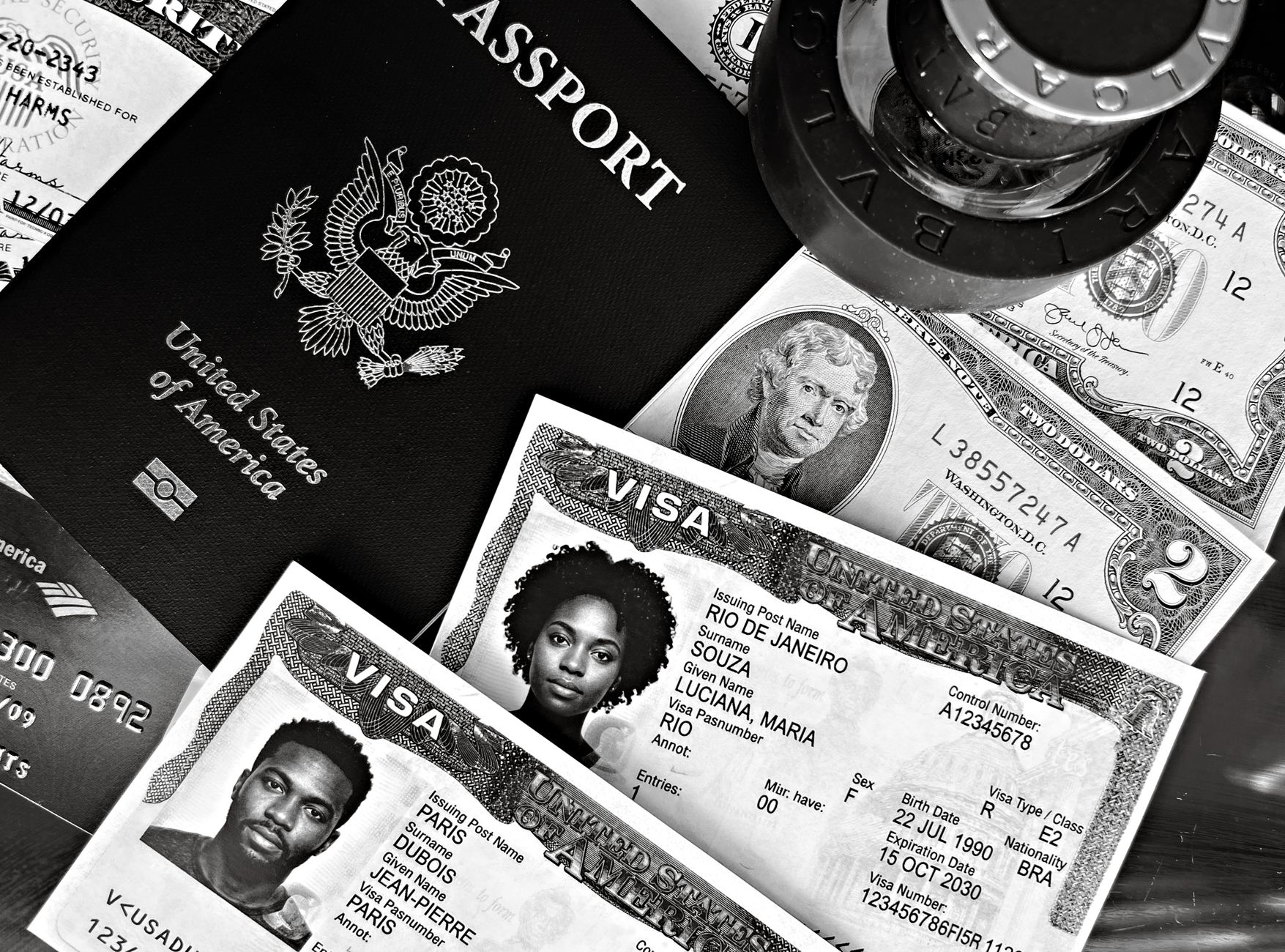
Trump visa rules have faced a significant setback as a US judge blocks their implementation, affecting foreign students and journalists. This decision raises questions about the future of these groups in the United States.
Impact of the Ruling on Foreign Students
The recent ruling by a US judge has significant implications for foreign students who were set to be affected by Trump’s visa rules. These changes aimed to tighten restrictions on international students, which could have led to an increase in uncertainty and anxiety among those pursuing education in the United States.
Many foreign students rely on educational opportunities in the US, contributing not only to their own growth but also to the diversity and economy of American campuses. The potential impacts of these visa rules included:
- Increased Financial Burden: Many students faced the possibility of higher tuition fees or additional costs related to visa compliance.
- Limited Opportunities: Restrictions could have limited the ability for students to engage in internships or practical training related to their fields of study.
- Emotional Stress: The uncertainty surrounding their visa status could lead to mental health challenges as students navigated their educational paths.
- Impact on Enrollment: Fewer international students might choose to study in the US, affecting university funding and cultural exchange.
Overall, the blocking of Trump’s visa rules provides a reprieve, allowing foreign students to continue their studies without the looming threat of restrictive policies.
Legal Ramifications of Visa Changes
The recent ruling against Trump’s visa rules has significant legal ramifications for foreign students and other affected groups. As the court blocks these changes, it opens the door for a reassessment of immigration policies that had previously created uncertainty and anxiety among international students.
One major legal concern revolves around the due process rights of individuals seeking to study in the United States. Many foreign students had reported feeling vulnerable under the proposed visa regulations, which could have led to abrupt changes in their status. The halted rules aimed to tighten visa eligibility, potentially worsening the situation for those who rely on education as a pathway to citizenship.
Furthermore, the ruling sets a precedent that could influence future policy decisions. Legal experts suggest that this case might encourage challenges to other immigration policies that are perceived as unjust or discriminatory. Some key points to consider include:
- Increased scrutiny of visa applications: Previous regulations could have led to arbitrary denials.
- Potential for appeals: Affected students might now feel empowered to contest unfair visa decisions.
- Long-term implications: The ruling may reshape how visa laws are crafted in the future.
Ultimately, the legal challenges against Trump’s visa rules represent a critical moment for foreign students in the U.S.
Analysis of Trump’s Immigration Policies
The recent ruling against Trump visa rules has shed light on the broader implications of his administration’s immigration policies. While the immediate effects on foreign students have been highlighted, the long-term consequences may be even more significant.
Many international students rely on specific visa categories to pursue their education in the United States. Under Trump’s policies, these categories faced stringent restrictions, causing uncertainty and anxiety among students. The potential for increased visa denials and the fear of deportation created an atmosphere of unease on campuses across the nation.
Furthermore, the tightening of visa regulations could discourage prospective international students from applying to U.S. institutions. This could lead to a decline in diversity and the exchange of ideas, fundamentally altering the educational landscape.
Experts argue that the impacts extend beyond individuals. U.S. universities benefit immensely from international students, both academically and economically. A decrease in enrollment could result in significant financial losses for institutions.
In summary, the analysis of Trump’s immigration policies reveals a complex web of challenges that could hinder the academic aspirations of many, potentially reshaping the future of higher education in the United States.
Future of Journalism Under New Rules
The recent ruling against Trump visa rules has significant implications for the future of journalism, particularly concerning the influx of international talent in the field. With the previous regulations designed to limit visa access for foreign students and journalists, many aspiring professionals faced uncertainty about their ability to study or work in the United States.
As journalism adapts to a rapidly changing media landscape, the contribution of diverse voices becomes increasingly important. The blocked visa rules would have restricted the opportunity for foreign students to engage in U.S. journalism programs, which often serve as a foundation for their careers. This could lead to a less diverse media environment, ultimately impacting the quality of reporting.
Key concerns include:
- The potential decline in innovative perspectives brought by international students.
- A narrowing of the journalistic discourse, lacking global insights.
- Challenges in maintaining the integrity and richness of journalistic practices.
The legal ramifications of these changes highlight the need for a more inclusive approach to immigration policies, ensuring that journalism remains a vibrant and multifaceted profession in the U.S.
The Trump visa rules have significantly affected international students seeking education in the United States. Many are concerned about the long-term implications of these Trump visa rules on their academic and career prospects.
Photo by DΛVΞ GΛRCIΛ on Pexels