Gary Young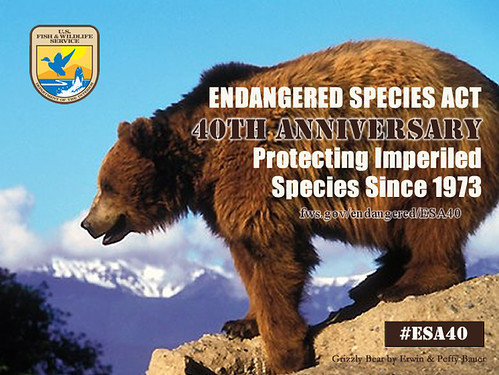
The Endangered Species Act is crucial for protecting vulnerable species in the U.S. This legislation has shown real value through its success in preserving iconic animals and their habitats.
Understanding the Endangered Species Act
The Endangered Species Act (ESA), enacted in 1973, serves as a vital framework for the conservation of threatened and endangered species across the United States. This landmark legislation was designed to protect species from extinction and to promote their recovery, ensuring the preservation of biodiversity for future generations.
One of the key elements of the ESA is its emphasis on scientific research and data-driven decision-making. The Act mandates the identification of species at risk and the designation of critical habitats essential for their survival. By following these guidelines, the ESA has successfully facilitated the recovery of numerous iconic animals.
Some of the notable successes under the ESA include:
- The recovery of the American Bald Eagle, which faced drastic population declines due to hunting and environmental threats.
- The resurgence of the Gray Wolf, which was reintroduced into areas where it had been extirpated.
- The rebound of the California Condor, once on the brink of extinction, now thriving in protected habitats.
These examples highlight the importance of the Endangered Species Act in safeguarding wildlife and maintaining ecological balance, proving that the protection of our planet’s species is critical for a sustainable future.
Impact of Stripping Protections
The potential consequences of stripping protections from the Endangered Species Act are significant and far-reaching. When legal safeguards are removed, the survival of numerous species hangs in the balance. The following points highlight the impact of such actions:
- Population Declines: Without the protections provided by the Endangered Species Act, many species could see drastic declines in their populations, leading to potential extinction.
- Habitat Loss: Stripping protections often results in increased development and habitat destruction, further threatening the delicate ecosystems that support wildlife.
- Economic Consequences: The decline of iconic species can have economic repercussions, especially in regions reliant on wildlife tourism and conservation efforts.
- Loss of Biodiversity: The extinction of a single species can have a ripple effect, disrupting entire ecosystems and leading to the decline of other species.
- Public Sentiment: Many individuals and communities value the presence of diverse wildlife, and the loss of such species can lead to a decline in public support for conservation initiatives.
The Endangered Species Act serves as a vital tool in maintaining biodiversity and protecting the interests of both wildlife and human communities. Its dismantling would not only threaten species but also undermine the ecological balance that sustains life on Earth.
Iconic Animals Saved by the Act
The Endangered Species Act has played a crucial role in the preservation of numerous iconic animals, showcasing the importance of protecting wildlife. Three notable examples highlight the Act’s success and the potential consequences of weakening its provisions.
- California Condor: Once on the brink of extinction, the California condor has made a remarkable recovery thanks to intensive conservation efforts supported by the Endangered Species Act. With numbers rising from just 27 individuals in the 1980s to over 500 today, this majestic bird’s survival is a testament to effective wildlife protection.
- Gray Wolf: The gray wolf was eliminated from much of its original range due to habitat loss and hunting. Through the protections provided by the Endangered Species Act, populations have rebounded in several states, restoring ecological balance and enhancing biodiversity in their habitats.
- American Bald Eagle: Once endangered, the American bald eagle has soared back into the skies of the United States. The Endangered Species Act’s efforts to combat habitat destruction and banning harmful pesticides like DDT have allowed this symbol of freedom to thrive again.
These success stories illustrate the clear value of the Endangered Species Act in safeguarding not only individual species but also the ecosystems they inhabit.
Future of Wildlife Conservation
The future of wildlife conservation hinges on the continued effectiveness of the Endangered Species Act. As ecosystems face unprecedented threats from climate change, habitat loss, and human encroachment, the need for robust protections has never been more critical. The Act not only safeguards individual species but also plays a vital role in maintaining biodiversity, which is essential for healthy ecosystems.
Looking ahead, conservation efforts must focus on several key areas:
- Strengthening Legislation: Advocates for wildlife protection are pushing for enhancements to the Endangered Species Act to ensure more comprehensive coverage for at-risk species.
- Community Engagement: Involving local communities in conservation efforts can lead to more sustainable practices and greater public support for the Act.
- Climate Resilience: Developing strategies to help species adapt to changing climates is crucial to their survival and requires collaboration across various sectors.
- Research and Funding: Increased investment in scientific research and funding for conservation initiatives is necessary to effectively implement the Endangered Species Act.
By prioritizing these areas, we can secure a more sustainable future for threatened species and maintain the rich tapestry of life on our planet.
By USFWS Mountain Prairie via Openverse