Gary Young
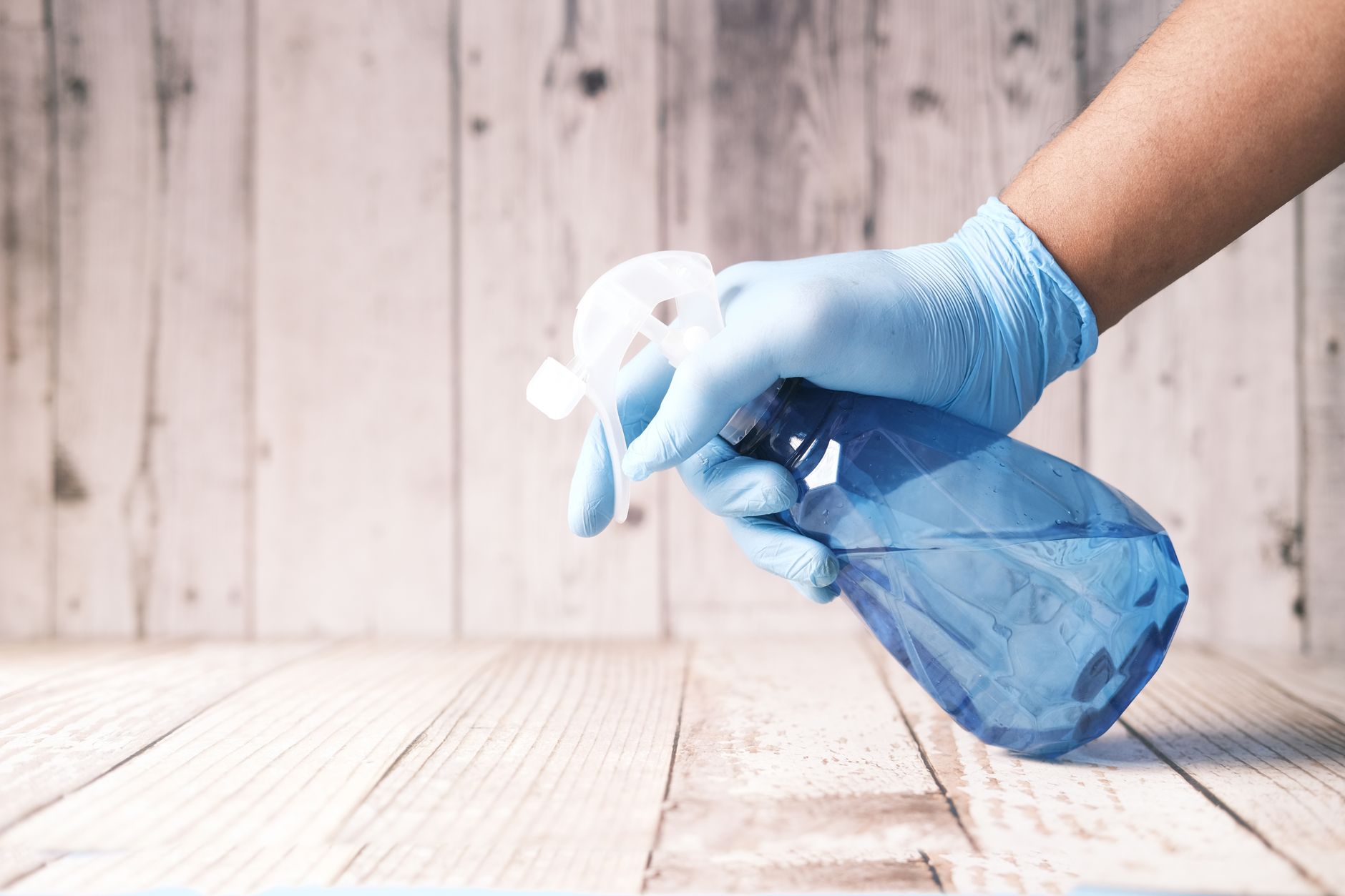
Sunlight disinfectant effectiveness is being explored as a viable method for reducing pathogens. Recent discussions highlight its potential in various settings, including service charges.
Understanding Sunlight as a Disinfectant
Sunlight has long been recognized for its natural disinfectant properties, making it a valuable tool in various settings. Research indicates that sunlight disinfectant effectiveness lies in its ability to eliminate harmful microorganisms. This process occurs primarily through ultraviolet (UV) radiation, which disrupts the DNA and RNA of pathogens, rendering them inactive.
Numerous studies have demonstrated the potency of sunlight in sterilizing surfaces and air. For instance, exposure to direct sunlight for a few hours can significantly reduce the presence of bacteria and viruses on surfaces such as countertops and outdoor furniture. The benefits of using sunlight as a disinfectant extend beyond mere cleaning; it also contributes to a healthier environment by limiting the spread of infectious diseases.
In addition to its practical applications, utilizing sunlight as a disinfectant is an eco-friendly solution, reducing reliance on chemical cleaners that may cause harm to both health and the environment. As we continue to seek effective disinfection methods, understanding sunlight’s role is crucial for optimizing public health measures.
The Science Behind UV Light
The effectiveness of sunlight as a disinfectant can be attributed to its ultraviolet (UV) light components, which play a crucial role in destroying harmful microorganisms. When exposed to sunlight, bacteria, viruses, and other pathogens are subjected to UV radiation that disrupts their DNA and prevents them from replicating.
Several studies have demonstrated the power of UV light in disinfecting surfaces and air. Key factors influencing the effectiveness of sunlight as a disinfectant include:
- Intensity of UV Radiation: The higher the intensity, the more effective the disinfectant properties.
- Exposure Time: Longer exposure to sunlight increases the likelihood of microbial inactivation.
- Environmental Conditions: Factors such as humidity and temperature can impact the overall effectiveness.
- Surface Type: Porous surfaces may absorb UV light, reducing its disinfectant effectiveness.
As research continues, the potential of sunlight as a natural disinfectant is being recognized, highlighting its role in promoting healthier environments.
Benefits of Natural Disinfection
Natural disinfection has gained attention, particularly with the growing interest in sunlight disinfectant effectiveness. This method offers numerous benefits, making it a practical option for many environments.
- Environmental Sustainability: Utilizing sunlight as a disinfectant reduces the need for harmful chemicals, promoting a healthier ecosystem.
- Cost-Effective: Sunlight is free and readily available, making it an economically viable option for households and businesses alike.
- Safety: Unlike chemical disinfectants, which can pose health risks, sunlight is a safe alternative. It does not leave harmful residues, ensuring a safer environment for humans and pets.
- Broad Spectrum Efficacy: Sunlight effectively eliminates a wide range of pathogens, including bacteria and viruses, making it a reliable option for disinfection.
- Simple Application: Harnessing the power of sunlight requires minimal effort; simply exposing surfaces to direct sunlight can enhance disinfection.
Overall, the adoption of sunlight as a disinfectant can lead to healthier spaces while supporting environmental sustainability.
Limitations of Sunlight Disinfection
While sunlight has proven to be an effective disinfectant, there are certain limitations to its effectiveness that should be considered. Understanding these constraints is crucial for anyone looking to utilize sunlight disinfectant effectiveness in various settings.
- Environmental Factors: The intensity of sunlight can vary greatly depending on geographical location, time of year, and weather conditions. Overcast days or areas with high pollution levels can significantly reduce UV radiation’s efficacy.
- Surface Types: Not all surfaces respond equally to sunlight disinfection. Porous materials may absorb UV rays, making it difficult for sunlight to penetrate deep enough to eliminate all pathogens, while non-porous surfaces may see better results.
- Time Required: Sunlight requires time to effectively disinfect. Quick exposure may not provide the necessary duration to kill harmful microorganisms.
- Microbial Resistance: Some bacteria and viruses may develop resistance to UV light, which can limit the long-term effectiveness of sunlight as a disinfectant.
These limitations highlight the importance of using sunlight disinfection as a complementary method rather than a standalone solution.
Comparative Analysis: Sunlight vs. Chemical Disinfectants
Recent studies have shed light on the sunlight disinfectant effectiveness when compared to traditional chemical disinfectants. Both methods have their own advantages and limitations, making them suitable for different scenarios.
In a comparative analysis:
- Speed of Action: Chemical disinfectants often act quickly on surfaces, providing immediate results. In contrast, sunlight requires time and consistent exposure to effectively eliminate pathogens.
- Environmental Impact: Sunlight is a natural disinfectant that leaves no harmful residues, while chemical products can contribute to pollution and pose health risks.
- Cost Efficiency: Utilizing sunlight as a disinfectant can reduce costs associated with purchasing chemicals, making it an economically viable option for large spaces.
- Safety Concerns: Chemical disinfectants may cause irritation or allergic reactions, whereas sunlight is generally safe, though prolonged exposure can have its own risks.
Ultimately, the choice between sunlight and chemical disinfectants will depend on specific needs and contexts.
Practical Applications in Service Charges
Practical applications of sunlight disinfectant effectiveness are becoming increasingly relevant, particularly in service industries that prioritize cleanliness and safety. Many businesses are now exploring ways to incorporate natural disinfection methods into their operations to reduce costs associated with chemical disinfectants.
Service charges can be impacted positively by using sunlight as a disinfectant in various settings. For example:
- Outdoor seating areas: Restaurants can take advantage of sunlight to sanitize tables and chairs, minimizing the need for frequent chemical cleaning.
- Transport services: Buses and taxis can utilize sunlight during peak hours to disinfect surfaces, enhancing passenger safety at a lower cost.
- Hotels and resorts: Open-air spaces can be maintained more efficiently by allowing sunlight to disinfect areas that are difficult to reach with traditional methods.
By recognizing the sunlight disinfectant effectiveness, businesses can not only promote a healthier environment but also potentially lower their operational expenses. This shift toward natural disinfection methods reflects a growing trend in sustainability within the service sector.
Legal Considerations for Property Managers
When property managers consider the use of sunlight disinfectant effectiveness, they must navigate a variety of legal considerations. While utilizing natural sunlight for disinfection can be a cost-effective and eco-friendly approach, it is essential to ensure compliance with local regulations and tenant rights.
First and foremost, property managers should be aware of the specific guidelines surrounding health and safety standards in their jurisdiction. This often includes:
- Tenant Notification: Informing tenants about the disinfection methods being employed.
- Liability Issues: Understanding potential liabilities if sunlight disinfection does not meet expected health outcomes.
- Insurance Policies: Reviewing insurance coverage related to the use of alternative disinfection methods.
Additionally, it is critical to maintain transparency with tenants regarding the effectiveness and limitations of sunlight as a disinfectant. By addressing these legal considerations, property managers can better integrate sunlight disinfection methods into their operations while ensuring compliance with applicable laws.
Future of Disinfection in Leasehold Properties
The future of disinfection in leasehold properties is poised for significant transformation, particularly with the increasing recognition of sunlight disinfectant effectiveness. As property managers seek sustainable and cost-effective solutions, the integration of natural light as a disinfectant is gaining traction.
Many property owners are exploring innovative ways to utilize sunlight in their maintenance routines. This not only reduces reliance on harsh chemical disinfectants but also promotes a healthier living environment for tenants. With advancements in technology, such as UV-C light systems that mimic natural sunlight, the potential for enhanced disinfection methods is expanding.
Moreover, as awareness of environmental issues grows, tenants are becoming more inclined to support properties that prioritize eco-friendly practices. This shift could lead to a competitive advantage for leasehold properties that implement effective sunlight disinfection strategies.
Ultimately, the future of disinfection is trending towards a harmonious blend of natural and technological solutions, ensuring that properties remain safe, healthy, and environmentally responsible.
Research has shown that sunlight disinfectant effectiveness is not only a natural solution but also an eco-friendly alternative to chemical disinfectants. By harnessing the power of UV rays, we can enhance sunlight disinfectant effectiveness in various environments, from homes to hospitals.
Photo by Towfiqu barbhuiya on Pexels