Gary Young
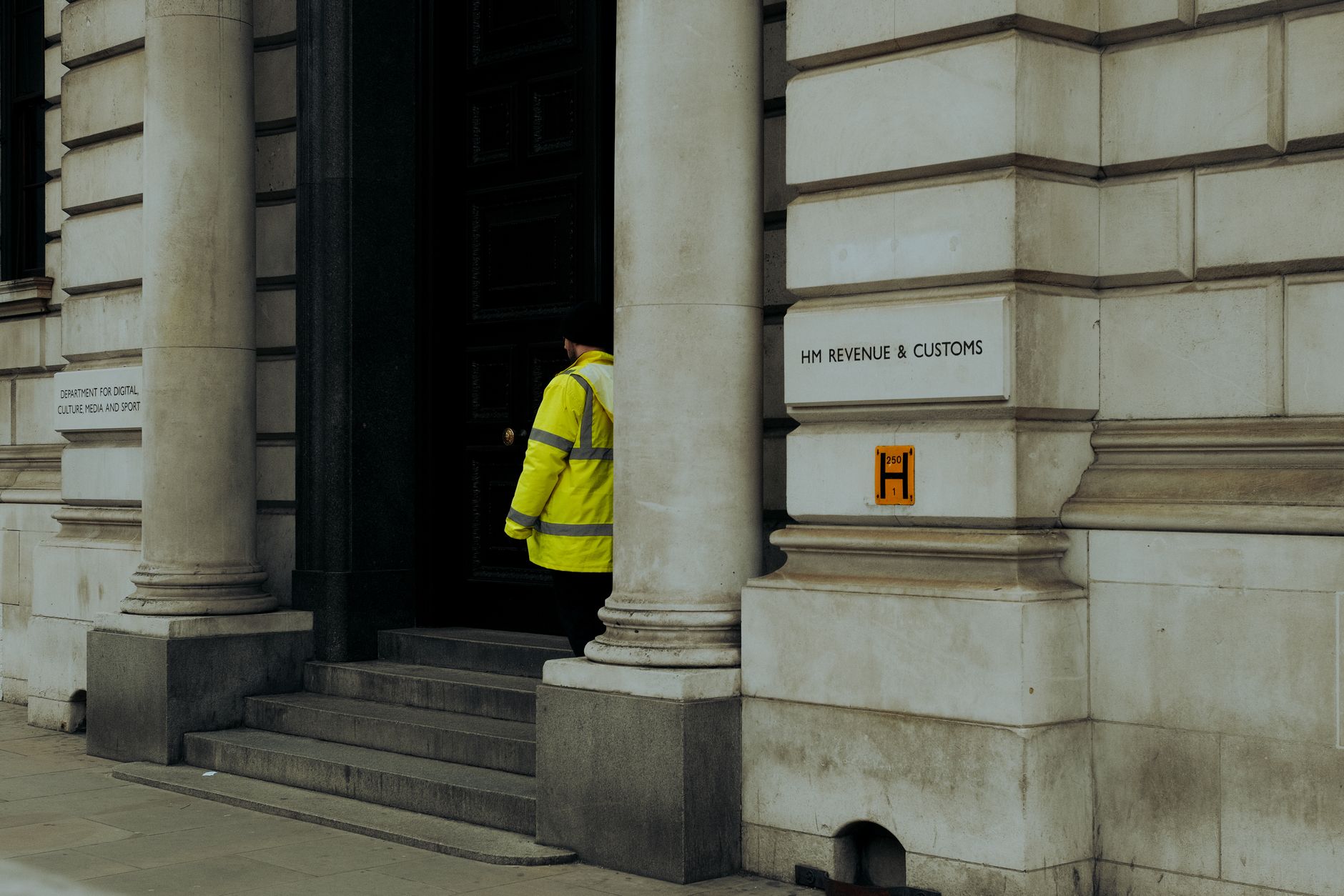
New rules for civil servants have been introduced, aiming to create a competitive-free work environment for a maximum of two years. This change is expected to significantly impact job security and operational efficiency.
Overview of New Rules
The recent introduction of new rules for civil servants aims to streamline the hiring process and enhance efficiency within government agencies. These regulations are designed to promote a more dynamic work environment while ensuring that qualified individuals can secure positions without facing excessive competition.
Key features of the new rules include:
- Work without competition: Civil servants can now work in specific roles for a maximum of two years without undergoing competitive selection processes, allowing for faster onboarding and adaptability to changing needs.
- Enhanced flexibility: The rules permit agencies to adjust staffing levels based on immediate requirements, ultimately improving service delivery to the public.
- Focus on merit: Although competition is reduced, there remains a strong emphasis on merit-based evaluations to ensure that only the most capable individuals are appointed.
These reforms are expected to foster a more responsive and efficient civil service, reflecting the government’s commitment to modernizing public administration.
Impact on Civil Servants
The recent introduction of new rules for civil servants is set to significantly impact the daily operations and career progression of individuals within the public sector. These changes aim to streamline processes and enhance productivity while fostering a more competitive environment.
One of the primary alterations includes a provision that allows civil servants to work without competition for a maximum of two years. This measure is intended to provide stability and encourage long-term project commitments, thereby enabling civil servants to focus on their roles without the immediate pressure of competitive evaluations.
Moreover, the new regulations emphasize:
- Enhanced job security: The removal of frequent competitions aims to reduce anxiety and promote a more stable work atmosphere.
- Professional development: Civil servants will have greater opportunities to pursue specialized training and skills development.
- Performance evaluation reforms: New metrics will be introduced to assess effectiveness and contribution more comprehensively.
These adjustments are expected to reshape the landscape of public service, fostering a more efficient and motivated workforce.
Government’s Rationale
The government has introduced new rules for civil servants as part of an effort to enhance efficiency and accountability within public service. Officials believe that these changes will streamline operations and improve service delivery to the citizens.
One of the primary reasons behind the introduction of these rules is to reduce bureaucratic hurdles that often slow down decision-making processes. By allowing civil servants to work without competition for a maximum of two years, the government aims to foster a more stable and productive work environment.
Additionally, the new regulations are intended to attract talent and retain experienced personnel in the civil service. The government recognizes that a well-functioning public sector is crucial for national development and public trust.
Furthermore, these adjustments are seen as a response to feedback from various stakeholders, including current civil servants, who have expressed the need for a more dynamic and flexible work atmosphere. The government hopes that these reforms will lead to a more engaged and motivated workforce.
Potential Challenges Ahead
The introduction of new rules for civil servants has sparked discussions about potential challenges that may arise as these changes take effect. While the government aims to streamline processes and enhance efficiency, several issues could complicate implementation.
- Resistance to Change: Many civil servants may be accustomed to existing protocols, leading to pushback against the new regulations.
- Training Needs: Adequate training will be essential for staff to adapt to the new rules, which could strain resources and time.
- Equity Concerns: The new system may inadvertently create disparities in job security and opportunities for professional development.
- Monitoring and Compliance: Ensuring that all employees adhere to the new guidelines could present significant oversight challenges.
- Public Perception: Ongoing criticism may arise regarding the lack of competition, which some argue could diminish the quality of civil service.
As these potential challenges become apparent, it will be crucial for the government to address them proactively to ensure the successful implementation of the new rules.
Future of Public Employment
The future of public employment is set to undergo significant transformation as the new rules for civil servants take effect. These changes aim to enhance efficiency and foster a more dynamic work environment within government agencies.
Among the key elements of these new regulations are:
- Streamlined hiring processes that allow for swift appointments without lengthy competition, enabling quicker responses to public service needs.
- Increased flexibility for civil servants to transition between roles, promoting skill development and adaptability.
- Performance-based evaluations that encourage accountability and reward high achievers, ensuring that public resources are used effectively.
As these rules are implemented, public employees will face both opportunities and challenges. While the potential for innovation and growth is promising, concerns about job security and the long-term implications of reduced competition persist. Stakeholders from various sectors are keeping a close eye on how these changes will shape the future landscape of public employment.
The implementation of new rules for civil servants aims to enhance transparency and accountability within government agencies. As these new rules for civil servants take effect, we can expect a significant shift in workplace culture and ethics.
Photo by Mathias Reding on Pexels