Gary Young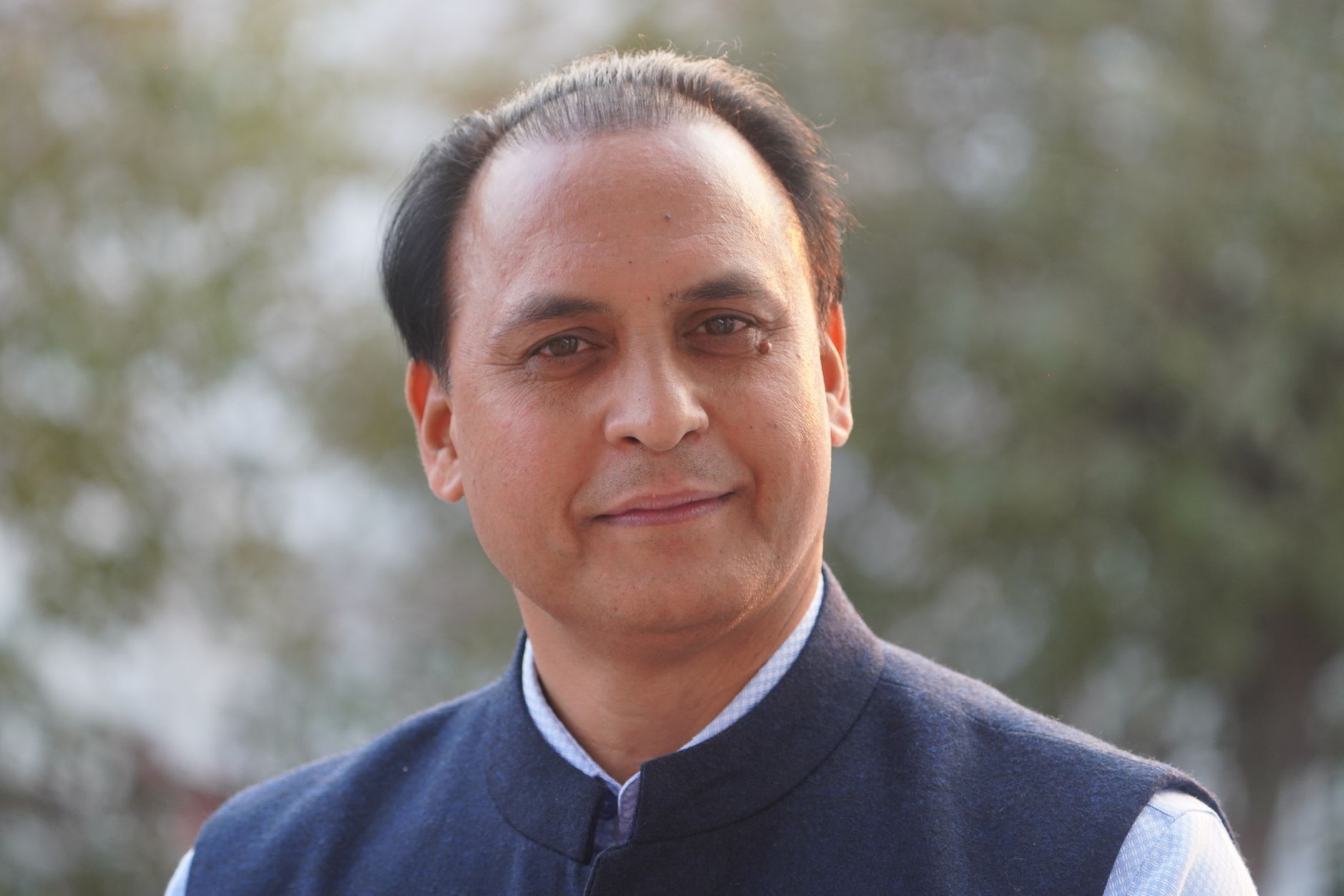
CJI Surya Kant resignation has become a hot topic following a controversial remark about law and order. The Congress party’s demand for his resignation has ignited a heated debate in legal circles.
Background of the Controversy
The recent remarks made by Chief Justice of India (CJI) Surya Kant regarding law and order have ignited a significant controversy, prompting calls for his resignation. The statements, which were perceived by some as politically charged, led to a backlash from various political circles, particularly the Congress party.
The situation escalated when a now-deleted post from the Congress party urged CJI Surya Kant to “resign now,” asserting that his comments undermined the judiciary’s impartiality. This incident has raised questions about the role of the judiciary in political matters and the expectations of neutrality from its highest officials.
Supporters of CJI Surya Kant argue that his comments were misinterpreted and that he was merely expressing concerns that resonate with the public. Critics, however, contend that such remarks could jeopardize the independence of the judiciary and erode public trust in legal institutions.
The controversy has sparked a broader debate on the relationship between the judiciary and the executive, with many wondering whether CJI Surya Kant’s resignation would be a necessary step to restore confidence in the judicial system. As discussions continue, the implications of this incident remain a focal point in Indian legal and political discourse.
Congress’s Demand for Resignation
The recent remarks made by Chief Justice of India (CJI) Surya Kant regarding law and order have stirred significant controversy, prompting the Congress party to call for his resignation. The party’s leaders have expressed their concerns regarding the implications of his statements on the judiciary’s integrity and its independence.
In a statement, Congress spokespersons emphasized the need for accountability, stating that CJI Surya Kant’s comments were not only inappropriate but also undermined the public’s trust in the judicial system. They argued that such remarks could set a dangerous precedent for the relationship between the judiciary and the executive.
Moreover, the party has pointed out that the timing of these remarks, which coincided with ongoing tensions in various states, raises questions about the neutrality expected from the head of the judiciary. In light of these concerns, Congress has demanded that CJI Surya Kant resign now, asserting that his position requires a commitment to impartiality and decorum.
As the debate continues, many are left wondering whether CJI Surya Kant’s resignation is indeed the right move or if this situation calls for a more nuanced approach to resolving the underlying issues at hand.
Public Reaction to Surya Kant’s Remarks
The recent remarks made by Chief Justice of India Surya Kant have sparked a wave of public opinion, with many expressing their support and criticism over his statements. Following the Congress’s demand for his resignation, numerous social media users have shared their views on the matter.
Supporters of CJI Surya Kant argue that his comments were taken out of context, emphasizing the importance of judicial independence. A user on Twitter stated, “CJI Surya Kant is only doing his job by addressing law and order issues. Resignation should not be on the table.” Others echoed this sentiment, highlighting that the judiciary must be allowed to speak freely on pressing national issues.
Conversely, critics believe that his remarks were inappropriate for someone in such a significant position, contending that they undermined the judiciary’s authority. A prominent political figure commented, “For the integrity of our legal system, CJI Surya Kant’s resignation is warranted.” This division in public opinion reflects broader concerns about the intersection of politics and the judiciary in contemporary India.
As discussions continue, the question remains: is CJI Surya Kant’s resignation the right move for maintaining judicial credibility?
Legal Implications of the Statement
The recent remarks made by CJI Surya Kant have raised significant legal implications, sparking a debate over the boundaries of judicial commentary and public accountability. His statement, which was perceived as controversial, has prompted various legal experts to analyze the potential consequences of such declarations from the highest echelons of the judiciary.
One major concern is the impact of these remarks on the perception of judicial independence. Critics argue that any deviation from impartiality can undermine public confidence in the judicial system. Legal analysts highlight the following implications:
- Judicial Authority: The remarks may create questions regarding the authority of the judiciary to comment on law enforcement matters.
- Precedent Setting: Such statements could set a precedent for future interactions between judicial figures and political entities.
- Resignation Calls: The demand for CJI Surya Kant’s resignation illustrates the heightened scrutiny judges face in politically charged environments.
As the situation unfolds, the legal community continues to deliberate whether CJI Surya Kant’s resignation is warranted or if it would set a dangerous precedent for judicial expression.
What Happens Next?
As the dust settles on the controversial remarks made by CJI Surya Kant, the implications of his potential resignation loom large. With the Congress party intensifying its calls for his resignation, many are left wondering what happens next in this unfolding saga.
The resignation of CJI Surya Kant would not only have repercussions for the judiciary but also for the political landscape. A shift in leadership could lead to a re-evaluation of ongoing cases and influence the public’s trust in the judicial system. Moreover, it could set a precedent for future conduct by judges in politically charged situations.
In the wake of the outcry, there are several possible scenarios:
- A swift resignation: If CJI Surya Kant chooses to step down, it could either quell the unrest or ignite further debates about judicial independence.
- Defiance against pressure: On the other hand, if he remains in his position, it may embolden those who support his remarks and challenge political pressures on the judiciary.
- Institutional response: The Supreme Court may need to address the issue formally, potentially outlining guidelines for judges regarding public statements.
Analysis of Judicial Independence
The resignation of CJI Surya Kant has sparked significant debate regarding judicial independence in India. Critics argue that his remarks about ‘law and order’ may have compromised the judiciary’s impartiality, prompting calls for his resignation. Supporters, however, contend that the CJI was merely expressing concerns that reflect the broader challenges faced by the judicial system.
Judicial independence is a cornerstone of democracy, ensuring that judges can make decisions free from external pressures. In the context of CJI Surya Kant’s resignation, this principle is brought into question. The response from various political factions, particularly the Congress party, highlights the tension between the judiciary and political entities. This situation raises concerns about how public opinion and political discourse can influence judicial decisions.
Furthermore, the implications of this resignation extend beyond the immediate controversy. If CJI Surya Kant steps down, it could set a precedent where judicial officials feel pressured to resign in response to political backlash. This could ultimately undermine the integrity of the judicial system, making it vulnerable to external influences.
As the situation unfolds, the legal community and the public will be watching closely to see how this impacts the perception of judicial independence in India.
The CJI Surya Kant resignation has sparked debates about the implications for the judiciary’s independence. Many legal experts are questioning whether this move signals a larger trend within the judicial system.
Photo by Ravinder Ravi on Pexels